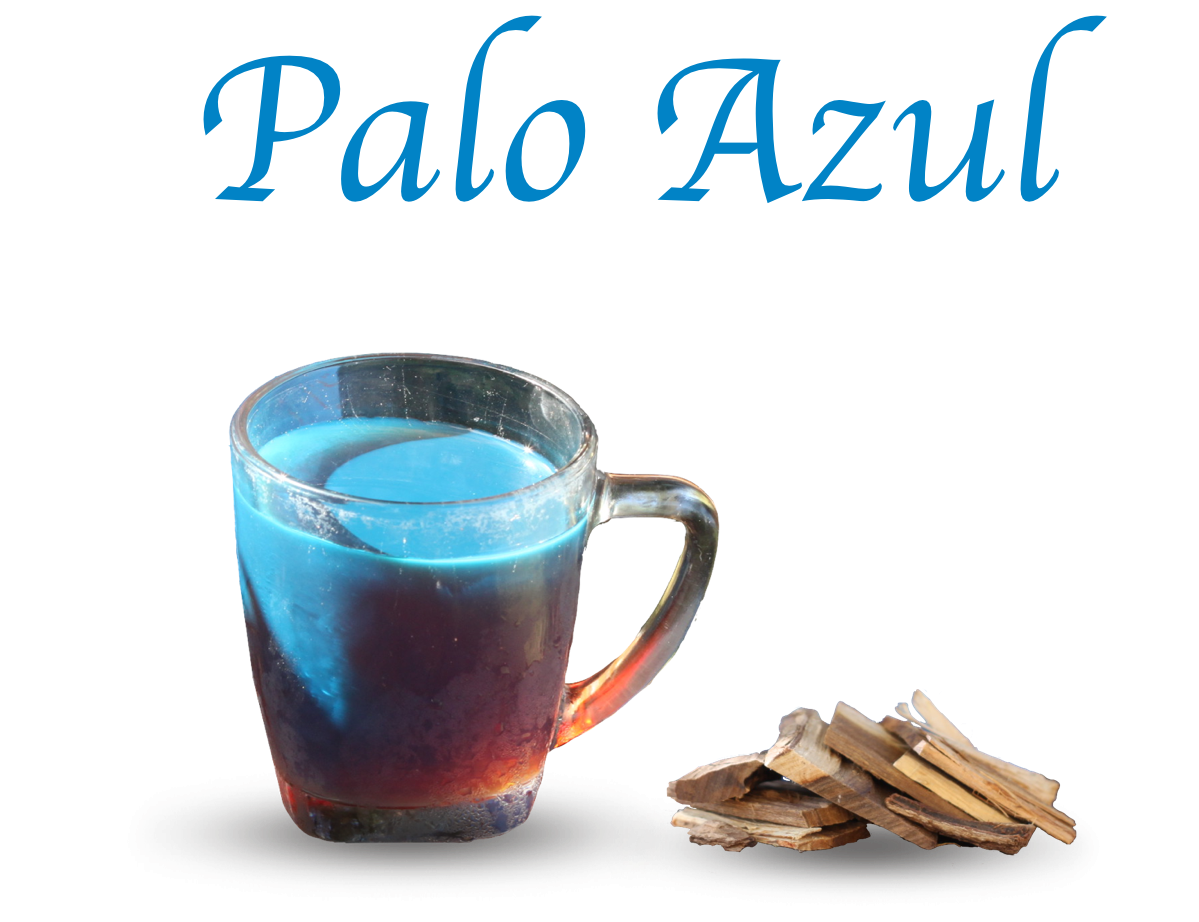

Palo azul tea has been used traditionally to support a healthy immune system against ailments such as diarrhea, dental diseases, and digestive issues. Recent studies have found evidence to support palo azul’s efficacy for these traditional uses, as they showed that palo azul tea exhibited anti-bacterial and anti-microbial properties.
For example, a 2018 study concluded the following: “The results here presented corroborate the folk medicinal use of (palo azul) in the treatment of infections, diarrhea, inflammation, and pain.”
This 2009 study concluded the following:
“(Palo azul) has broad-spectrum effect because the antibacterial activity observed included both Gram-positive and Gram-negative organisms. The present results suggest that (palo azul) is a good alternative to other antibacterial compounds and underlines the importance of screening plant extracts in the search for new agents. Based on these results, the isolation and characterisation of active compounds from (palo azul) is particularly important in light of the multidrug resistance observed in certain Gram-positive and Gram-negative bacteria, against which only a few therapeutic options are available.”
How can palo azul tea support the immune system?
The answer is simple…flavonoids! Numerous studies have shown that palo azul is rich in flavonoids, and many of its health benefits have actually been attributed to these magical phytonutrients.

Flavonoids are phytonutrients that are produced by plants in order to fight bacteria, oxidative stress and inflammation. Fortunately for us, a 2021 study found several phytochemicals in palo azul such as “flavones, isoflavones, flavanones, phenolic compounds, chalcones and dihydrochalcones” which have been linked to its health benefits, highlighting “diuretic, antidiabetic, antiglycation, antioxidant, anti-inflammatory, antimicrobial potential.”
What bacteria does palo azul inhibit?

A 2012 study tested 47 different plants for the treatment of dental diseases such as toothache, dental caries, periodontal disease, gingivitis and bad breath. The researchers found that palo azul was among the plants that showed the “highest inhibitory effect against Streptococcus mutans and Porphyromonas gingivalis.”
A 2009 study found that “extracts of (palo azul) were active against S. epidermidis, Proteus vulgaris, Enterbacter aerogenes, and S. aureus.”
Another 2018 study found that palo azul “showed moderate antibacterial effects against Streptococcus” and “good antimicrobial effects in E. coli.”
Below, we briefly cover the diseases that each one of these bacteria are associated with. Let’s start with that pesky Escherichia coli.
1. Escherichia Coli

According to the CDC, some kinds of E. coli can cause diarrhea, while others cause urinary tract infections, respiratory illness and pneumonia, and other illnesses.
Moreover, the Minnesota Department of Health mentions that E. coli can cause serious illness in humans by producing toxins that can severely damage the lining of your intestines and kidneys.
2. Dental diseases

Streptococcus mutans is commonly found in the human oral cavity and is a significant contributor to tooth decay.
Porphyromonas gingivalis is involved in the pathogenesis of periodontitis, an inflammatory disease that destroys the tissues supporting the tooth, eventually leading to tooth loss.
3. Urinary tract and Respiratory infections

Enterobacter aerogenes can cause gastrointestinal infections, urinary tract infections (UTIs), skin and soft tissue infections, respiratory infections, and adult meningitis.
P. vulgaris has been reported to cause UTIs, wound infections, burn infections, bloodstream infections, and respiratory tract infections.
4. Pneumonia, fever, sore throat, others

Staphylococcus. aureus has long been recognized as one of the most important bacteria that cause disease in humans. It is the leading cause of skin and soft tissue infections such as abscesses (boils), furuncles, cellulitis, bloodstream infections, pneumonia, or bone and joint infections.
Staphylococcus epidermidis can cause wound infections, boils, sinus infections, endocarditis and other inflammations.
Streptococcus can cause diseases ranging from streptococcal sore throat (strep throat) to necrotizing fasciitis (flesh-eating disease). They can also cause scarlet fever, rheumatic fever, puerperal (postpartum) fever, and streptococcal toxic shock syndrome.
Conclusion
In conclusion, palo azul tea may help to support a healthy immune system because it showed anti-bacterial, anti-microbial and anti-fungal activity, and it’s rich in flavonoids. Studies showed that these properties may have the potential to inhibit bacteria which is associated with several types of infections that cause fever, diarrhea, urinary tract infections, respiratory infections, pneumonia, sore throat, cavities, tooth decay, periodontitis, and others.
P.S. Don’t forget to help your loved ones by sharing palo azul tea with them!

Clinical Studies
Palo azul is also known as: Eysenhardtia polystachya (E. polystachya, E.P), Cyclolepis genistoides (C. genistoides), kidney wood and palo dulce
(2021) Screening Anti-Inflammatory Effects of Flavanones Solutions
(2009) Chapter 18 – Flavonoids and Cardiovascular Health
(2016, Dec 29) (Medical Review: 161 studies) Flavonoids: an overview
(2020) Flavonoids as Antiviral Agents for Enterovirus A71 (EV–A71)