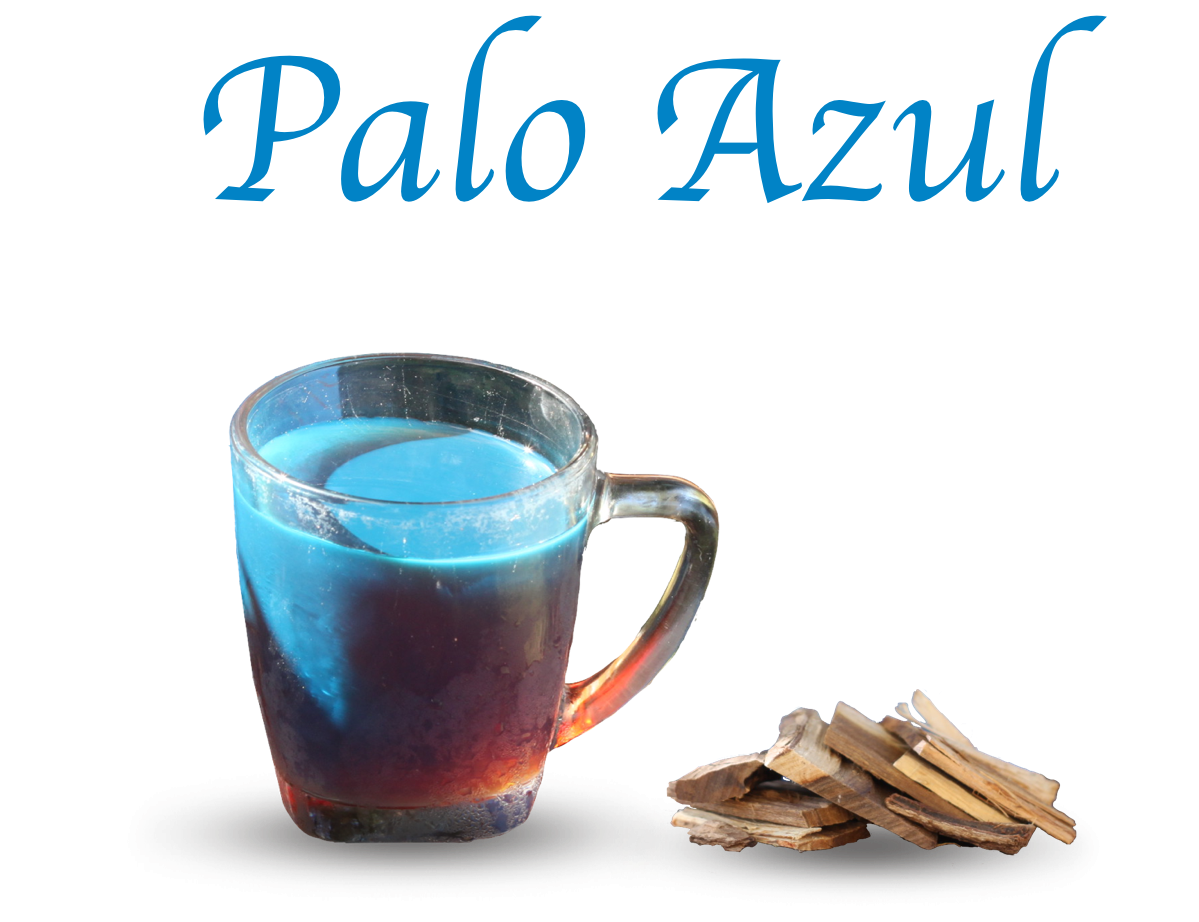

Several studies mention that palo azul tea may have anti-diabetic potential because it has shown the ability to promote healthy levels of blood glucose, insulin sensitivity, protect the pancreas and inhibit oxidative stress. The studies explain that palo azul’s capacity to improve these markers is due to the fact that palo azul is antioxidant, anti-glycative, anti-AGEs and it’s rich in flavonoids.
For example, a 2021 study concluded that palo azul’s extracts “had good antidiabetic potential and could be an appropriate nanomedicine to prevent the development of diabetes.”
A 2018 study similarly concluded the following: “The results indicate that (palo azul) has good antidiabetic activity and therefore could be used to prevent the development of diabetes.”
Another 2018 study also found that palo azul “showed antidiabetic and antihyperlipidemic activities, an ability to reduce the formation of advanced glycation end products, and an antioxidant capacity.”
Another 2014 study concluded that “(palo azul) possesses considerable antioxidant activity with reactive oxygen species (ROS) scavenging activity and demonstrated an anti-AGEs and hepatoprotective role, inhibits hyperglycemic, hyperlipidemic and oxidative stress indicating that these effects may be mediated by interacting with multiple targets operating in diabetes mellitus.”
1. Reduces blood glucose levels

A 2001 study concluded that palo azul extracts “significantly decreased blood glucose levels in mice.”
A 2007 study similarly found that palo azul extracts “significantly reduced the elevated serum glucose concentration.”
A 2014 study also found that “(palo azul) caused significant reduction of blood glucose levels which was related to dose and duration of treatment.”
Moreover, this 2021 study also found that palo azul extracts “demonstrated a significant decrease in fasting blood glucose level and lipid profile (fats).”
A) Recovered Pancreatic Islet Cells

This 2021 study explains that “the diabetic mice treated with palo azul extracts showed significant recovery and revival of the histo-morphology of the kidney, central vein of the liver, and islet cells of the pancreas compared to the untreated diabetic mice.”
This finding is critical, because islet cells are “a cluster of cells within the pancreas that are responsible for the production and release of hormones that regulate glucose levels.”
This essentially means that palo azul tea showed the ability to recover the islet cells of the pancreas, which allow the body to regulate glucose levels.
B) Increased Glucokinase & GLUT2
A 2018 study similarly found that “(palo azul extract) displayed increased insulin levels, moderate reduction of blood glucose, increased glucokinase expression, and improved levels of expression of insulin receptor isoform A and GLUT-2.”
Glucokinase is the primary glucose sensor in mammals and the sensor responsible for regulation of glucose homeostasis.
Glucose transporter 2 (GLUT2) facilitates the transport of glucose and galactose across the cell membranes of many tissues, including those of the liver and kidneys.
2. Improves Insulin Sensitivity

A 2018 study found that “(palo azul extracts) ameliorated dyslipidemia and reversed insulin resistance, which consequently enhanced lipid metabolism.”
Lipid Metabolism is the synthesis and degradation of lipids in cells, involving the breakdown or storage of fats for energy.
This 2020 study similarly showed that “the adipokine profile induced by palo azul suggests its potential to lead to insulin-sensitive cells and has been confirmed to promote glucose uptake in highly differentiated cells.”
A) Increases Adiponectin
This 2013 study explains the biological mechanisms of palo azul’s beneficial effects on insulin sensitivity:
“Palo azul increased the expression of insulin-sensitizing adipokine, adiponectin, which is a directly target of PPARγ, both at the messenger RNA level and at the protein level. In summary, palo azul demonstrated the potential to improve insulin resistance by promoting adipocyte differentiation via PPARγ activation. Results suggest an increase in adiponectin secretion and a decrease in insulin-resistant factors.”
The researchers concluded the following: “Palo azul improved insulin resistant phenotypes by decreasing insulin-resistant adipokines (resistin and insulin-induced leptin) and increasing insulin-sensitizing adipokine (adiponectin).”

Adiponectin is an adipokine that exerts a potent insulin-sensitizing effect through binding to its receptors AdipoR1 and AdipoR2, leading to activation of AMPK and PPAR-α. In obesity-linked insulin resistance, both adiponectin and adiponectin receptors are downregulated. Upregulation of adiponectin may represent an interesting therapeutic strategy for obesity-linked insulin resistance.
The fat-derived hormone adiponectin reverses insulin resistance associated with both lipoatrophy and obesity.
Improved insulin sensitivity is the most recognized beneficial metabolic effect of adiponectin, since, via AMPK phosphorylation, it stimulates glucose uptake in skeletal muscle, inhibits glucose production in the liver and induces fatty acid oxidation in both these tissues.
B) Increases AMPK

This 2020 study showed that “exposure to palo azul resulted in a concentration-dependent increase in the expression levels of AMPK .”
AMPK stimulates energy generating processes such as glucose uptake and fatty acid oxidation. AMPKinase is an enzyme that plays a role in cellular energy homeostasis, largely to activate glucose and fatty acid uptake and oxidation when cellular energy is low.
In summary…
Palo azul tea showed the ability to increase the expression of hormones and enzymes which regulate blood glucose uptake. Therefore, it help to improve insulin sensitivity and increase fatty acid oxidation (burning fat for energy).
C) Increases PPARγ

The previous 2013 study also found that “palo azul up-regulated expression and transcriptional activity of PPARγ.” They explain that “because PPARs are known to play a major clinical role in the etiopathogenesis of metabolic diseases such as diabetes mellitus, arteriosclerosis, cardiovascular pathologies, and cancer, palo azul is expected to be used for a wide variety of such diseases.”
PPAR-γ causes insulin sensitization and enhances glucose metabolism. PPAR-γ agonist improves insulin resistance by opposing the effect of TNF-α in adipocytes.
TNFα (Tumor Necrosis Factor alpha) is a multifunctional cytokine which promotes dyslipidemia and insulin resistance, both of which are traditional risk factors for atherosclerotic processes.

PPAR-γ regulates the expression of numerous genes involved in lipid metabolism, including aP2, PPCK, acyl-CoA synthase, and LPL (lipoprotein lipase). PPAR-γ has also been shown to control expression of FATP-1 and CD36, both involved in lipid uptake into adipocytes.
Acyl-CoA synthase is an enzyme responsible for fatty acid biosynthesis. Long-chain acyl-CoAs are substrates for most pathways that use FA (fatty acids) for energy production. Acyl-CoAs are substrates for β-oxidation.”
Fatty acid β-oxidation is the process by which fatty acids are broken down to produce energy.
Lipoprotein lipase plays a critical role in breaking down fat in the form of triglycerides, which are carried from various organs to the blood by molecules called lipoproteins.
FATPs (Fatty Acid Transport Proteins) facilitate the uptake and transport of fatty acids across the cell membrane.
CD36 imports fatty acids inside cells.
Adipocytes, also known as lipocytes and fat cells, are the cells that primarily compose adipose tissue, specialized in storing energy as fat.
In summary…
Palo azul’s ability to up-regulate PPARγ allows it to increase insulin sensitivity and glucose & lipid metabolism, all of which promote the burning of fat for energy.
D) Increases GLUT4

Furthermore, this 2013 study mentions that “a component of palo azul, UA (ursolic acid), is also reported to increase GLUT4 expression and other downstream factors of insulin receptor signaling. Taken together, palo has a possibility to regulate GLUT4, which directly contributes insulin sensitivity.”
This 2017 study on humans which was randomized, double-blind, placebo-controlled, concluded that “ursolic acid administration leads to transient remission of metabolic syndrome, reducing body weight, BMI, waist circumference and fasting glucose, as well as increasing insulin sensitivity.”
GLUT4 is the insulin-responsive glucose transporter responsible for postprandial glucose clearance.
E) Decreases Resistin
The 2013 study also found that “palo azul dramatically decreased resistin secretion in a concentration-dependent manner.” The authors explain that “resistin induces insulin resistance via the suppression of AMP-activated protein kinase.”
Resistin is an adipose tissue secreted protein, involved in the pathophysiology of insulin resistance, central obesity and inflammation. The involvement of resistin in the inflammation and endothelial dysfunction leads to development of insulin resistance in T2D (type 2 diabetes).
Resistin promotes both inflammation and insulin resistance associated with energy homeostasis impairment.
3. Protects Pancreatic β cells

This 2018 study concluded the following: “(Palo azul extracts) may provide beneficial effects on the function of insulin secretion through its protective effect on pancreatic β cells. Treatment with (palo azul extract) alone or in the presence of H2O2 could ameliorate insulin sensitivity and glucose metabolism. (Palo azul extracts) promote pancreatic β-cell survival, insulin secretion-enhanced hyperglycemia, and hypolipidemia.”
Pancreatic beta cells (β-cells) are cells found in pancreatic islets that synthesize and secrete insulin and amylin. In patients with Type 1 diabetes, beta-cell mass and function are diminished, leading to insufficient insulin secretion and hyperglycemia.
Additionally, they found that “(palo azul ecxtracts) also showed protection of the pancreatic β-cell line INS-1 against hydrogen peroxide-induced oxidative injury.” The researchers mention that “the β cells are very sensitive to pathological and physiological stressors, leading to a loss of insulin resulting from apoptotic cell death, which is the main problem in diabetes mellitus.”
They concluded the following: “These results confirming the effectiveness of (palo azul) in ameliorating hyperglycemia. (Palo azul extract) treatment may provide beneficial effects on the function of insulin secretion through its protective effect on pancreatic β cells.”

The researchers explain their results: “The findings demonstrated that diabetic fish had higher serum insulin concentrations than control zebrafish, suggesting pancreatic β-cell damage in this group, while (palo azul extract) resulted in decreased plasma insulin levels (by 54%) compared with the glucose-induced diabetic fish group, which was similar to normoglycemic control zebrafish. The results confirm the ability of (palo azul) to ameliorate cell viability and insulin secretion in zebrafish under high glucose concentrations.”
In fact, they also mentioned that “glibenclamide, an antidiabetic drug used as a standard, was as effective as (palo azul extracts).”
Glibenclamide: Glibenclamide (GBC) is an oral hypoglycemic drug that stimulates the pancreatic beta cells to secrete insulin and is often used to treat diabetes.
Lastly, they concluded that “(palo azul extracts) restore insulin secretion from INS-1 cells stimulated by H2O2, suggesting that this could result from cytoprotection against oxidative injury.”
In layman’s terms…
Palo azul tea showed the ability to protect the pancreatic beta cells from oxidative injury, which restores their insulin secretion and this improved blood glucose levels.
4. Increases Muscle Mass

Interestingly, a 2016 study ended with the following statement: “In conclusion, palo azul may increase muscle mass in the body and improve insulin resistance by facilitating the formation of myotubes by promoting myocyte differentiation.”
This 2020 study also concluded that “palo azul has been shown to promote differentiation into myotubes and to develop thicker myotubes, potentially contributing to an increase in skeletal muscle mass.” The authors explain that “palo azul increased differentiation of C2C12 mouse muscle myoblasts” and it “promoted myotube formation under differentiation condition.”
Myocytes (muscle cells), are the smallest subunit of all muscular tissues and organs throughout the body.”
Myocyte differentiation is accompanied by increased insulin receptor biosynthesis and gene expression. After differentiation the number of insulin receptors increased 5-10-fold.
Insulin receptors: Insulin resistance in most cases is believed to be manifest at the cellular level via post-receptor defects in insulin signalling. Exercise training appears to enhance insulin sensitivity by increased post-receptor insulin signalling.

In other words…
Palo azul tea showed the ability to facilitate muscle cell differentiation, which could help to promote an increase in muscle mass and insulin receptors, thereby enhancing insulin sensitivity.
Furthermore, the 2020 study explains the biological mechanisms of how palo azul increased muscle fiber size:
“The expression of MHC protein induced by myogenin increased with palo azul in a concentration-dependent manner. MHC is expressed in the middle to late stages of differentiation and is involved in muscle contraction. Therefore, when MHC was stained and the cell morphology was observed, the area of MHC staining that constitutes the muscle fibers increased, and the diameter of the muscle fibers significantly increased. When the fusion index (the number of nuclei in MHC-positive muscle fibers with two or more nuclei in the field of view divided by the total number of nuclei) was quantified to assess the degree of fusion of the muscle fibers, a concentration-dependent increase in palo azul was confirmed.”
5. Anti-hyperglycemic = Inhibits Glycation of Haemoglobin

These studies (1, 2, 3, 4, 5, 6) have shown that palo azul is anti-hyperglycemic, meaning that it lowers blood glucose levels.
For example, this 2013 study found that “palo azul showed strong antihyperglycemic action.” This 2007 study also concluded that palo azul “displayed antihyperglycemic and hypoglycemic activities…therefore, hyperglycemia does not develop.”
This 2019 study explains how high bood sugar levels form HBA1c and generate AGEs that cause diabetes:
“In diabetes, the excess of glucose in blood reacts with hemoglobin to form HbA1C, which is an early glycosylation adduct, and with time undergoes complex and slow rearrangements to generate AGEs. Thus, glycosylated hemoglobin is used in diabetic patients mostly for prognosticate the developing of diabetic complications. In diabetes, hyperglycemic condition leads to excessive accumulation of AGEs participating in the pathogenesis of diabetic nephropathy.”
They concluded that “the level of glycosylated hemoglobin in STZ-induced diabetes mice was significantly increased” and “HbA1C significantly decreased in groups treated with (palo azul extracts).”

Furthermore, this 2014 study found that palo azul inhibits hyperglycemic oxidative stress.” The study mentions that “prolonged hyperglycemia contributes importantly to the pathogenesis of diabetic complications by increasing protein glycation, leading to the gradual buildup of advanced glycation end products (AGEs).”
They found that “(palo azul) is an inhibitor of fluorescent AGE, methylglyoxal and the glycation of haemoglobin.” The authors explain that “the complex, fluorescent AGE molecules formed during Maillard reaction can lead to protein cross-linking, which contributes to the development and progression of various diabetic complications. Inhibition of the formation of AGEs has been shown to be an effective way of retarding the full range of diabetes complications.”
Hemoglobim A1C is a biomarker for chronic exposure to high concentrations of glucose.
Maillard Reaction is the reaction between reducing sugars and proteins by the impact of heat. Early reports have linked MRPs (Maillard Reaction products), especially advanced glycation end-products (AGEs) present in high concentration in the typical Western diet, to health conditions and diseases.

The researchers also found that haemoglobin A1C “decreased significantly with the treatment of palo azul (23.8%) and dropped further with the treatment of glutathione (8.1%). The plant, therefore, can effectively prevent HbA1C formation.”
They explain the following: “We found that (palo azul) decreased the in vitro formation of fluorescent AGE and HbA1C, a kind of AGE. Thus, (palo azul) may possess specific antiglycation properties that contribute to the reduction in HbA1C levels. (Palo azul) could directly decrease the formation of glycated haemoglobin, possibly as a result of the antioxidant activity.”
Additionally, they mention that “free radicals are formed disproportionately in diabetes mellitus by glucose degradation, non-enzymatic glycation of proteins and the subsequent oxidative degradation. Increased oxidative stress is involved in diabetes. There is evidence that glycation itself induces the generation of oxygen-derived free radicals in diabetic condition. The generation of free radicals may lead to lipid peroxidation in diabetes mellitus.”
Lastly, they concluded the following: “(Palo azul) contains a high amount of flavonoids and phenolics, possesses considerable antioxidant activity with ROS scavenging activity and has the ability to reduce lipid peroxidation. (Palo azul) could decrease oxidative stress associated with diabetes mellitus in the liver, pancreas and kidney, enhancing the generation of typical antioxidant enzymes.”

Another 2018 study which supports these findings showed that “(palo azul extract) markedly reduced the formation of AGEs, Amadorin-product/fructosamine content and provided a protective effect against glycation. The authors concluded that “(palo azul) could therefore be an antiglycation agent for prevention diabetic complications.”
The most important MRPs (Maillard Reaction products) in foods are the Amadori products, accounting for >90% of the total amount of MRPs. Fructosamine is the general name for glycated proteins.
HbA1C is an Amidori product of hemoglobin and glucose.
In summary…
Palo azul’s anti-hyperglycemic/antiglycation activity inhibited advanced glycation end products and lipid peroxidation which can cause oxidative stress that’s been shown to cause to diabetes.
6. Inhibits Oxidative Stress

A 2021 study mentions that “the root cause of diabetes is mainly associated with oxidative stress” and they found that palo azul tea “can reduce the oxidative stress caused by the imbalance between reactive oxygen species (ROS) because of its free radical scavenging activity.”
The researchers explain that “oxidative stress is produced by reactive oxygen species (ROS) that induce β-cells dysfunction, insulin resistance, and impaired glucose tolerance. Excess food and lack of physical activity contribute to the overload of glucose and fatty acids that leads to the formation of ROS.”
How does oxidative stress impact insulin sensitivity and blood glucose levels?

They explain the following: “The combined effect of (palo azul extracts) resulted in reduced oxidative stress with higher insulin secretion. As a consequence of reduced oxidative stress, insulin sensitivity also improved and thereby, increased the cellular uptake of glucose from the bloodstream and thus, down-regulated the blood sugar level.“
Furthermore, they found that “ROS disrupt the expression of GLUT4, a major glucose transporter in the cell. This affects the uptake of glucose from the blood into the cell, which causes insulin resistance.”
Lastly, the authors concluded that “the use of antioxidants reduces the oxidative stress that ultimately leads to the down-regulation of BSL (blood sugar level) in the bloodstream by improving insulin sensitivity.”
What is oxidative stress?

Oxidative stress is an imbalance between free radicals and antioxidants in the body. This 2018 study also mentioned that “(palo azul) contains polyphenolic compounds that may protect insulin-secreting cells from oxidative stress.”
The researchers explain the following: “Insulin secretion was inhibited in cells that were exposed to H2O2. However, cells that had been treated with (palo azul) before exposure to H2O2 had a marked increase in insulin secretion, indicating that this result could occur through cytoprotection against oxidative injury. Excessive H2O2 production can disturb the integrity and the function of β cells, which contribute to the pathogenesis of diabetes.”
H2O2 (hydrogen peroxide) is produced by inflammatory and vascular cells and induces oxidative stress, which may contribute to vascular disease and endothelial cell dysfunction.
7. Increased Endogenous Antioxidant Defense

A 2007 study found that palo azul “decreased oxidative stress and enhanced the activities of several components of the endogenous antioxidant system, in particular vitamins C and E, SOD (superoxide dismutase), GSHPx (glutathione peroxidase), and CAT (catalase).”
They explain that “the glutathione system, SOD, GSHPx, GRd, and CAT comprise the most important endogenous antioxidant defense against ROS-induced damage of the cell membrane.”
Glutathione peroxidase (GPX), superoxide dismutase (SOD) and catalase (CAT) are the most important enzymes of the cell antioxidant defense system.

The researchers explain that “diabetes is usually accompanied by increased production of ROS and impaired antioxidant defense, indicating a central contribution of ROS to the onset, progression, and pathological consequences of diabetes. In addition, it has been demonstrated that b cells are particularly susceptible to oxidative damage. Therefore, as hyperglycemia worsens, b cells steadily deteriorate, secrete less insulin, and participate in a downward spiral of loss of pancreatic functions.”
They also found that palo azul “significantly increased the pancreatic glutathione” and “the enhanced activities of the antioxidant enzymes promoted by (palo azul) protect against STZ-induced damage; therefore, hyperglycemia does not develop.”
In summary…
Palo azul extracts increased the endogenous antioxidant defense system, which inhibits oxidative damage and protects the pancreatic beta cells, thereby preventing hyperglycemia (high blood glucose).
8. Inhibit Lipid Peroxidation

The previous 2007 study also found that the palo azul “extracts reduced the peroxyl formed by AAPH during the initiation of lipid peroxidation, preventing lipid peroxidation from occurring” and it “significantly reduced the pancreatic thiobarbituric acid reactive substances (TBARS), preventing hyperglycemia induced by STZ.”
STZ (Streptozotocin) is an antibiotic that produces pancreatic islet β-cell destruction and is widely used experimentally to produce a model of type 1 diabetes mellitus.
This 2014 study also found that “(palo azul) reduced the levels of triglyceride, cholesterol, TBARS and LDL.”
TBARS (Thiobarbituric acid reactive substances) are formed as a byproduct of lipid peroxidation.
Lipid peroxidation is the process in which “oxidants such as free radicals attack lipids containing carbon-carbon double bond(s), especially polyunsaturated fatty acids (PUFAs).” This process produces lipid preoxide byproducts such as “malondialdehyde (MDA) and 4-hydroxy-2-nonenal (4-HNE).”
The researchers explain that: “MDA appears to be the most mutagenic product of lipid peroxidation, whereas 4-HNE is the most toxic. 4-HNE is considered as as one of the most physiologically active lipid peroxides and one of major generators of oxidative stress.”
They also mention that “pancreatic β cells have been described to be highly sensitive to ROS. Therefore, HNE, which can trigger β cell apoptosis, may induce glucose intolerance and the development of diabetes.”

This 2018 study similarly concluded the following: “The antioxidant defense in zebrafish exposed to glucose was overwhelmed; as a consequence of the free radical production that exceeds the scavenging capability of cells and its antioxidants mechanisms, leading to increased MDA levels. (Palo azul) restored the enzymatic antioxidant system that was able to reduce ROS production, decreasing the generation of MDA. The present study reveals that (palo azul) demonstrated significantly antidiabetic activity.”
Additionally, this 2016 study showed that “there was a significant increase of lipid peroxide in the liver, kidney, and pancreas in diabetic mice. However, the administration of (palo azul extracts) improved these levels in the treated groups with respect to the diabetic control group.”
They explain the following: “ROS such as hydrogen peroxide (H2O2), superoxide anion, hydroxyl radical (OH), nitrogen oxide (NO), and lipid peroxides are formed in aerobic metabolism as normal products but also are produced under pathophysiological conditions in elevated rates. ROS can be responsible for the attack to biological macromolecules such as nucleic acids, proteins, membrane lipids, and carbohydrates, causing damage in the cell, which has been implicated in cardiovascular diseases, cancer, neurodegenerative disorders, and diabetes.”

The authors concluded that “the production of ROS including hydroxyl, superoxide anions and hydrogen peroxide, nitric oxide, DPPH, ABTS radicals, protein oxidation, and lipid peroxidation can be enhanced by treatment with (palo azul extracts), and increases in radical scavenging enzymes of GSH-Px, SOD, GSH, and CAT have also been observed in liver, pancreas, and kidney.”
Superoxide anion is a highly reactive species that can damage cells.
Hydrogen peroxide belongs to a group of chemically reactive molecules known as reactive oxygen species (ROS) that arise through oxidative metabolism. ROS comprise oxygen derived small molecules such as the oxygen radicals: superoxide, hydroxyl.
In summary…
Palo azul showed the ability to inhibit lipid peroxidation, which minimized oxidative damage to the pancreas that is caused by ROS including lipid peroxides (HNE and MDA)
9. Rich in flavonoids & polyphenols

Many studies have shown that palo azul is rich in phytochemicals, which are a group of compounds called flavonoids and polyphenols that plants naturally produce in order to fight infections, oxidative stress and inflammation.
A 2021 study found several phytochemicals in palo azul such as “flavones, isoflavones, flavanones, phenolic compounds, chalcones and dihydrochalcones” which have been linked to its health benefits, highlighting “diuretic, antidiabetic, antiglycation, antioxidant, anti-inflammatory, antimicrobial potential.”
Because of these properties, the researchers mention that “palo azul is used in traditional medicine for the treatment of kidney diseases, bladder infections and diabetes mellitus.”

A 2014 study mentioned that “numerous epidemiological studies show an inverse correlation between dietary flavonoid consumption and chronic degenerative diseases, such as cardiovascular diseases, diabetes, osteoporosis, neurodegenerative diseases, and cancers.”
This 2018 study explains the biological mechanisms of palo azul’s effects on diabetes:
“Chalcones, flavonoids, and dihydrochalcones in palo azul promote pancreatic β-cell survival, insulin secretion-enhanced hyperglycemia, and hyperlipidemia in glucose-induced diabetic zebrafish. These findings suggest that (palo azul) could be used to prevent the development of diabetes.”

Hyperglycemia is the technical term for high blood glucose. Hyperlipidemia means your blood has too many lipids (fats), such as cholesterol and triglycerides.
In other words…
Palo azul’s flavonoids showed beneficial effects on hyperglycemia and hyperlipidemia, which could help to improve insulin secretion and blood glucose.
The 2021 study also found that “palo azul extracts rich in phenolic compounds and flavonoids showed high scavenging activities.” The researchers explain a similar mechanism for antioxidants’ beneficial effects on hyperglycemia:
“Diabetes-associated complications that are induced by hyperglycemia are mainly because of an imbalance between ROS (reactive oxygen species), which leads to higher oxidative stress and cellular death. Thus, these diabetic complications can effectively be controlled by down-regulating the generation of ROS.”

Moreover, a review which analyzed findings from 161 studies on flavonoids concluded that “oxidative stress may lead to cellular damage which is related to various health ailments such as diabetes, cancer, CVD, neurodegenerative disorders and ageing.”
Finally, results from another study concluded that flavonoids in tea “may lower the risk of type 2 diabetes and cardiovascular diseases” and they have a “beneficial effect on LDL-cholesterol and insulin sensitivity.”
Conclusion
In conclusion, palo azul showed anti-diabetic potential because it’s antioxidant, anti-glycative, anti-AGEs, anti-hyperlipidemic, and it’s rich in flavonoids. Because of these properties, palo azul showed the ability to inhibit oxidative stress, AGEs, ROS, and lipid peroxides that can cause damage to the pancreas and worsen diabetes. Therefore, this is why palo azul tea may help to promote healthy levels of blood glucose and insulin sensitivity.

Clinical Studies
Palo azul is also known as: Eysenhardtia polystachya (E. polystachya, E.P), Cyclolepis genistoides (C. genistoides), kidney wood and palo dulce
(2021) Physiology, Muscle Myocyte
(March 16, 2001) Antihyperglycemic Activity and Chemical Constituents of Eysenhardtia platycarpa
Antioxidant Properties of Wheat Bran against Oxidative Stress
(2016) (Medical Review: 161 studies) Flavonoids: an overview