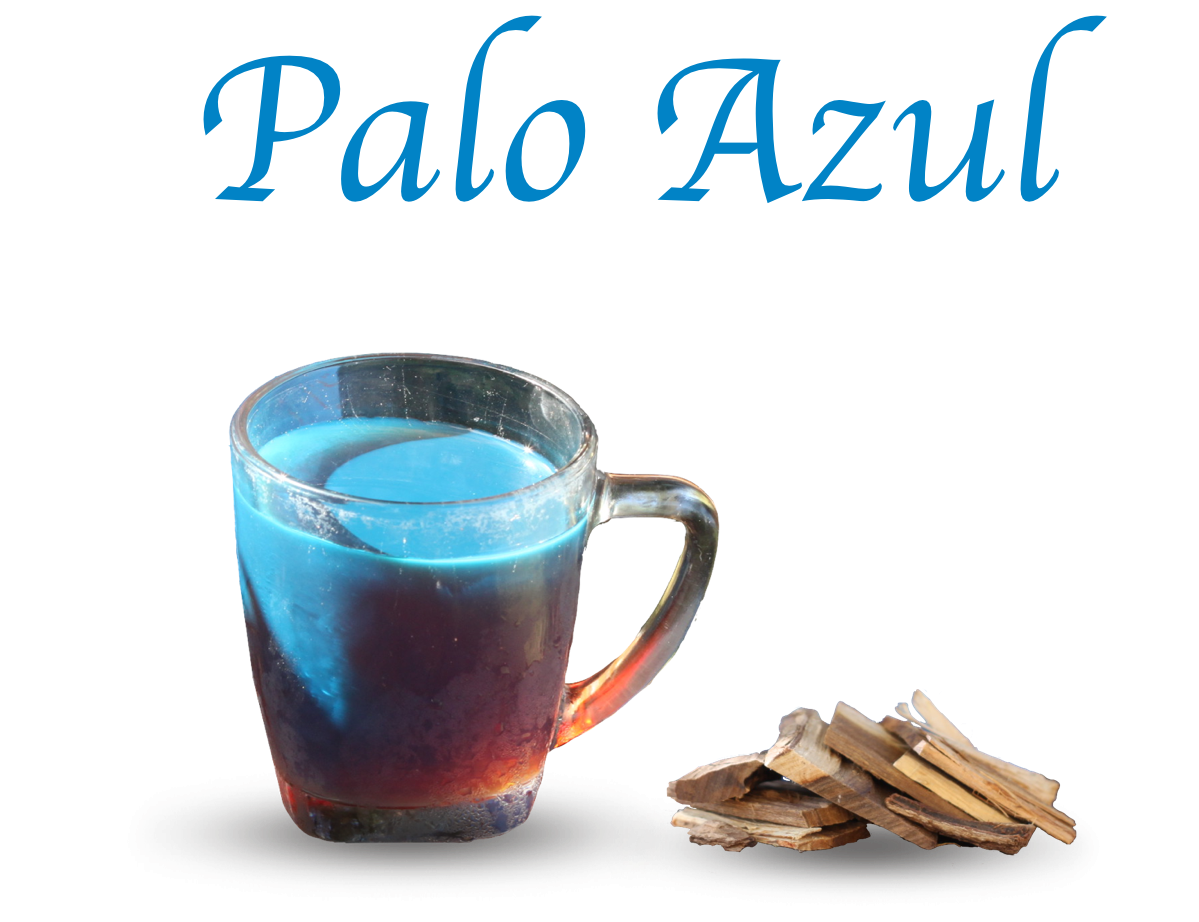

How can antioxidants help you to detox your body and stay healthy? The key to this is simple: Inhibit oxidative stress. Over a dozen studies have concluded in their results that palo azul showed significant antioxidant activity, anti-glycation activity, inhibited oxidative stress and inhibited the formation of advanced glycation end products (AGEs) and reactive oxygen species (ROS).
For example, this article cites sources which demonstrate that palo azul has around “8.7 to 26.5 times higher antioxidant capacity than green tea and black tea” and it has “2 to 8 times higher phenolic content than green, black, and yellow teas.”
Moreover, this 2022 concluded that palo azul “significantly reduced oxidative damages in both the kidneys and the liver, and such effect has been related to the high antioxidant capacity of the characterized phytochemicals.”
Another 2015 study similarly concluded that the “high antioxidant capacity of (palo azul) may be due to the presence of flavonoids or polyphenols in the extract.”
This 2011 study also concluded that palo azul’s “flavonoids exhibited strong antioxidant activity.”
1. Rich in Flavonoids

Flavonoids are a subclass of polyphenols, which are phytonutrients produced by plants to fight off infections, inflammation, stress, bacteria and other pathogens. Therefore, thousands of studies have shown that polyphenols are anti-oxidant, anti-inflammatory, anti-diabetic, anti-aging, anti-hypertensive, anti-bacterial, anti-mutagenic, anti-viral and anti-carcinogenic.
A 2021 study even found several phytochemicals in palo azul such as “flavones, isoflavones, flavanones, phenolic compounds, chalcones and dihydrochalcones” which have been linked to its health benefits, highlighting “diuretic, antidiabetic, antiglycation, antioxidant, anti-inflammatory, antimicrobial potential.”

2. Free Radical Scavenging Activity

This 2021 study found that palo azul extracts “rich in phenolic compounds and flavonoids showed high scavenging activities.” Therefore, they concluded that palo azul tea “can reduce the oxidative stress caused by the imbalance between reactive oxygen species (ROS) because of its free radical scavenging activity.”
This 2016 study found that “scavenging of hydrogen peroxide by (palo azul) was found to be better compared to the ascorbic acid (Vitamin C).”
A 2014 study also showed that “the free radical scavenging activity of (palo azul) showed 98.32% and ascorbic acid 86.53% at the same concentrations.” The study concluded that palo azul extracts were “fast and effective scavengers of the ABTS radical” and that palo azul “is a more efficient scavenger than standard ascorbic acid.”
3. Inhibit Oxidative Stress & ROS

This 2014 study, concluded that palo azul “prevents oxidative stress, acts as a suppressor of liver, kidney and pancreas cell damage.”
A 2018 study concluded that a palo azul extract provided “an effective defense against oxidative stress in zebrafish embryos.”
This 2016 study found that palo azul “significantly decreased ROS production preventing oxidative stress.” The researchers concluded the following:
“Our data indicates that the bark of (palo azul) has an ability to reduce oxidative stress through decreasing of lipid peroxidation, antioxidant properties, and increasing radical scavenging enzymes activity, also reduce intracellular reactive oxygen species.”
4. Anti-Glycative

This 2018 study found that palo azul “showed an ability to reduce the formation of advanced glycation end products, and an antioxidant capacity.”
Moreover, a 2014 study , found that “(palo azul) possesses considerable antioxidant activity with reactive oxygen species (ROS) scavenging activity and demonstrated an anti-AGEs (advanced glycation end products) and hepatoprotective role, inhibits hyperglycemic, hyperlipidemic and oxidative stress.”
The study concluded that “palo azul has an antidiabetic, antihyperlipidemic, and significant ability to reduce the formation of AGEs and antioxidant activities, which are considered to play important roles in the development of diabetes complications.”

Glycation is the covalent attachment of a sugar to a protein or lipid. This process is responsible for many complications in diabetes mellitus, some diseases and in aging.
Advanced glycation end products (AGEs) are proteins or lipids that become glycated as a result of exposure to sugars.
Fortunately for us palo azul tea lovers, a 2018 study palo azul “markedly reduced the formation of AGEs” and it “provided a protective effect against glycation.” The study concluded that palo azul “could therefore be an antiglycation agent for prevention diabetic complications.”
This 2019 study also found that “treatment with dihydrochalcone (a powerful ant-glycation compound isolated from palo azul) protects renal function, prevents kidney injury and ameliorated inflammation.”
In other words…anti-glycative foods and teas protect against AGEs, which are harmful compounds that are considered to play an important role in the process of aging and in degenerative diseases such as diabetes, cardiovascular disease, cancer and Alzheimer’s.
5. Metal-Chelating

This review explains that “heavy metals are systemic toxicants known to induce adverse health effects in humans, including cardiovascular diseases, developmental abnormalities, neurologic and neurobehavioral disorders, diabetes, hearing loss, hematologic and immunologic disorders, and various types of cancer.”
Fortunately for us, this 2011 study showed that “(palo azul) is a rich source of natural antioxidant compounds with the ability to chelate metals and reduce free radicals.”
Moreover, a 2016 study found that the metal scavenging effects of palo azul’s flavonoid extracts were up to 89%.
This 2014 study also concluded that “(palo azul) showed Hdonor activity, free radical scavenging activity and metal chelating ability.”
Chelating agents are capable of binding to toxic metal ions to form complex structures which are easily excreted from the body removing them from intracellular or extracellular spaces.”
Hdonor refers to the ability of a substance to neutralize free radicals (heavy metals) by donating a hydrogen atom. (1, 2, 3)
In addition, this 2021 study selected “(palo azul) from a set of medicinal plants based on its ability to diminish metal-induced OS (oxidative stress) cellular markers.”
6. Boosts Antioxidant Defense Enzymes

This 2018 study found that “treatment with (palo azul) increased the activity of anti-stress biomarkers such as superoxide dismutase (SOD), catalase (CAT), glutathione peroxidase (GPx).”
Another 2007 study also concluded that palo azul “significantly increased the activities of glutathione peroxidase (GSHPx) and catalase (CAT).”
Moreover, this 2016 study found that “increases in radical scavenging enzymes of CSH-Px, SOD, GSH, and CAT have also been observed in liver, pancreas, and kidney” in animals treated with palo azul.
This 2021 study also demonstrated that palo azul “extract increased catalase activity.”
Glutathione peroxidase (GPX), superoxide dismutase (SOD) and catalase are the most important enzymes of the cell antioxidant defense system.”
The glutathione system, SOD, GSHPx, and CAT comprise the most important endogenous antioxidant defense against ROS-induced damage of the cell membrane.
7. Inhibit LOX and XO

This 2015 study concluded that”(palo azul) showed good anti-LOX and anti-XO activities. The inhibition percentage by (palo azul) on XO is comparable to that allopurinol, is a therapeutic drug used to treat gout.”
Lipoxygenases (LOXs) catalyze the stereo-specific peroxidation of polyunsaturated fatty acids (PUFAs) to their corresponding hydroperoxy derivatives. Lipoxygenases (LOXs) are dioxygenases that catalyze the formation of corresponding hydroperoxides from polyunsaturated fatty acids such as linoleic acid and arachidonic acid.
Xanthine oxidase (XO) is a form of xanthine oxidoreductase, a type of enzyme that generates reactive oxygen species. These enzymes catalyze the oxidation of hypoxanthine to xanthine and can further catalyze the oxidation of xanthine to uric acid. Xanthine oxidase is the enzyme required to produce uric acid by the breakdown of purine nucleotides.
8. Reduce Lipid Peroxidation

This 2018 study found that palo azul “suppressed the formation of malondialdehyde (MDA) and lipid oxidation (LPO).” The authors concluded that palo azul “restored the enzymatic antioxidant system that was able to reduce ROS production, decreasing the generation of MDA.”
Lipid peroxidation is the process in which “oxidants such as free radicals attack lipids containing carbon-carbon double bond(s), especially polyunsaturated fatty acids (PUFAs).” This process produces lipid preoxide byproducts such as “malondialdehyde (MDA) and 4-hydroxy-2-nonenal (4-HNE).”
The researchers explain that: “MDA appears to be the most mutagenic product of lipid peroxidation” and it “is an important contributor to DNA damage and mutation. This MDA-induced DNA alteration may contribute significantly to cancer and other genetic diseases.”
They explain that: “4-HNE is the most toxic” and it is “one of major generators of oxidative stress.”

This 2014 study concluded that “(palo azul) contains a high amount of flavonoids and phenolics, possesses considerable antioxidant activity with ROS scavenging activity and has the ability to reduce lipid peroxidation.”
A 2007 study also found that palo azul “extracts reduced the peroxyl formed by AAPH during the initiation of lipid peroxidation, preventing lipid peroxidation from occurring.”
This 2020 review mentions that treatment with palo azul “reduced the damage caused by the formation of reactive oxidative species, positively influencing the total protein concentration while decreasing the formation of malondialdehyde (MDA) and lipoperoxidation” and they showed the “protective action of (palo azul extracts) against damage caused by hydrogen peroxide.”
This 2018 study found that palo azul provides an “effective defense against oxidative stress in zebrafish embryos” and reactive oxygen species (ROS).
The authors explain the following harmful effects of ROS: “ROS can induce oxidative stress, producing severe intracellular damage that can lead to cell death, and they are elevated in various pathological conditions and diseases including atherosclerosis, age-related disorders, diabetes, rheumatoid arthritis, cancer, inflammatory diseases and neurodegenerative disease. In the presence of transition metal ions, ROS cause lipid peroxidation, an oxidative deterioration of polyunsaturated lipids that produces cytotoxic products, mainly aldehydes such as 4-hydroxynonenal (HNE) and malondialdehyde (MDA).”
Moreover, this 2016 study on palo azul explains its beneficial effects against lipid peroxidation:
“Our data indicates that the bark of (palo azul) has an ability to reduce oxidative stress under diabetic conditions, prevent and/or delay the onset renal, pancreatic, and hepatic damage through decreasing of lipid peroxidation, antioxidant properties, and increasing radical scavenging enzymes activity, also reduce intracellular reactive oxygen species, and they consequently could alleviate complications of diabetes.”
Reduced TBARS
This 2007 study concluded that palo azul “significantly reduced the pancreatic thiobarbituric acid reactive substances (TBARS) concentration together with a significant increase in the activities of GSHPx (glutathione peroxidase) and CAT, preventing hyperglycemia.”
Thiobarbituric acid reactive substances (TBARS) are formed as a byproduct of lipid peroxidation.
This 2016 study also concluded that “supplementation to diabetic mice with (palo azul) resulted in a significant diminution in lipid peroxidation levels, in liver and kidney compared with diabetic control, and the observed reduction of TBARS towards normal levels.”
The researchers explain the following: “TBARS levels are an index of oxidative stress and endogenous lipid peroxidation which intensifies with increasing free radicals production. TBARS indicate increase lipid peroxidation leading to decrease of the antioxidant defense mechanisms.”
Moreover, a 2014 concluded that “(palo azul) reduced the blood glucose, increased serum insulin, body weight, marker enzymes of hepatic function, glycogen, HDL, GK and HK while there was reduction in the levels of triglyceride, cholesterol, TBARS, LDL and G6Pase.”
The researchers explain the specific actions of palo azul on TBARS:
“The serum TBARS level in diabetic control mice was significantly elevated compared to that of normal (2.3-times) and the oral administration of (palo azul) at concentrations of 200 and 400 mg significantly inhibited this increase.
The renal mitochondrial TBARS level was also significantly increased in diabetic control mice (1.97 ± 0.03 nmol/mg protein) compared with normal mice (1.55 ± 0.05 nmol/ml), but levels in groups treated with (palo azul) were significantly reduced to the normal level.”
What is Oxidative Stress?

Oxidative stress is an imbalance between free radicals and antioxidants in the body. Free radicals are atoms with a single valence electron that cause damage to the body associated with diabetes, cancer, aging, atherosclerosis, Parkinson’s, Alzheimer’s and many other diseases.
This happens because electrons like to be in pairs… and for this reason, free radicals look for “free” electrons in the body. This causes damage to cells, proteins, DNA and these damaged molecules can mutate, grow tumors, and damage the DNA code. Eventually, this cellular damage causes new cells to grow with defects and it will lead to aging and degenerative diseases.
A 2022 study explains that oxidative stress “leads to the formation of advanced glycation end products (AGEs) which facilitate further disease progression.”
What are reactive oxygen species (ROS)?

Reactive oxygen species are a type of unstable molecule that contains oxygen and that easily reacts with other molecules in a cell. A build up of reactive oxygen species in cells may cause damage to DNA, RNA, and proteins, and may cause cell death. Reactive oxygen species are free radicals.
Another 2017 study mentions that there are “empirical studies exhibiting an association between AGEs and a variety of conditions such as decline in memory with age, cardiovascular complications, bone health, periodontitis, erectile dysfunction, peripheral artery disease, obstructive sleep apnea, cancer, elevated cellular oxidative and inflammatory state, Alzheimer’s disease, and risk for metabolic syndrome.”
How can antioxidants help you?
Promote weight loss

A 2014 study found that palo azul’s extracts “showed a significant decrease of body weight in diabetic rats and produced significant loss in body weight as compared to normal animals during the study.” Moreover, they found that palo azul “reduced the blood glucose, body weight, glycogen, levels of triglyceride and cholesterol.”
This 2020 study similarly concluded that “the trend of anti-obesity, anti-atherosclerosis, and blood glucose-lowering effects of palo azul has been confirmed” and it “exhibited a tendency to decrease subcutaneous fat weight“, which is the visible fat in our body.

Moreover, a 2017 study analyzed 2734 twins and found that the twins with the highest consumption of flavonoid-rich foods (onions, tea, apples, pears, and cocoa) “had a 3-9% lower FMR (fat mass ratio) than that of their co-twins.”
Another study looked at 124,000 people and found that “flavonoids increase energy expenditure, decrease fat absorption and function as anti-inflammatories. Increased consumption of most flavonoid subclasses was associated with reduced weight gain.”
Maintain healthy cholesterol levels

This 2018 study found that palo azul “showed antidiabetic and anti-hyperlipidemic activities” and it “markedly decreased the levels of serum triglycerides (40%) and total cholesterol (29.4%).”
Hyperlipidemia means your blood has too many lipids (or fats), such as cholesterol and triglycerides.”
Moreover, this 2021 study concluded the following: “Mice treated with the palo azul extract showed significant decrease in fasting blood glucose level and lipid profile (cholesterol). The oral administration of (palo azul extract) to the diabetic mice resulted in a significant decrease in triglycerides and cholesterol levels.”
Another 2014 study found that “palo azul reduced the blood glucose, marker enzymes of hepatic function, glycogen, levels of triglyceride, and cholesterol.” This study also showed that the “level of HDL was increased” after oral administration of palo azul.
HDL (high-density lipoprotein), or “good” cholesterol, absorbs cholesterol and carries it back to the liver.
Support cardiovascular health

This 2021 study mentions that palo azul is used as a “blood purifier, against liver diseases and as a hypotensive.”
Hypotensive drugs reduce arterial blood pressure and cardiac output and thereby lower the work and oxygen consumption of the heart.
This 2020 review on palo azul mentions that “among the actions determined are its diuretic [13], antidiabetic, antiglycation [14], antioxidant [15], anti-inflammatory [16], and antimicrobial [17] potential. It also has cytotoxic properties [8], is cardioprotective, and inhibits neurodegeneration.”
Moreover, another 2020 study concluded that “the trend of anti-obesity, anti-atherosclerosis, and blood glucose-lowering effects of palo azul has been confirmed” and “it is expected to have a preventive effect on metabolic syndrome.”
Metabolic syndrome is a cluster of conditions that occur together, increasing your risk of heart disease, stroke and type 2 diabetes.
In addition, this study concluded that “antioxidant, antithrombotic, anti-inflammatory, and hypolipidemic properties play a significant role in the lower cardiovascular mortality illustrated by increased flavonoid consumption.”
Support liver function

A 2022 study done on mice concluded in their results that palo azul’s “extract significantly reduced oxidative damages in both the kidneys and the liver, and such effect has been related to the high antioxidant capacity.”
This 2021 study found that “diabetic mice treated with palo azul extracts showed significant recovery and revival of the central vein of the liver.”
Another 2021 study mentions that “palo azul is widely used in folk medicine as a diuretic and for the treatment of kidney diseases, urinary tract irritation, kidney pain, bone pain (analgesic) and as a blood purifier against liver diseases.”

Moreover, a 2016 study showed that palo azul reduced specific enzyme levels that cause liver damage in mice, “leading to a hepatoprotective effect.”
These findings are supported by a 2014 study concluded the following: “(Palo azul) prevents oxidative stress, acts as a suppressor of liver, kidney and pancreas cell damage. Palo azul showed anti-glycation, liver-protective and hypoglycemic actions that could be potentially beneficial against type 2 diabetes.”
They concluded that “palo azul possesses considerable reactive oxygen species (ROS) scavenging activity and demonstrated a hepatoprotective role.”
Hepatoprotection is the “ability of a substance to prevent damage to the liver.”
Promote healthy skin

Victoria Lewis, a doctor of dermatology mentions in an article that “antioxidants are often considered the fountain of youth by skin-care professionals and experts. Not only do they (antioxidants) scavenge free radicals—the number one skin-aging culprits—to promote a brighter, more even complexion, they’re also the superstars at nixing fine lines and keeping skin looking fresh.”
This is due to its ability to eliminate oxidative stress and free radicals, which are “the number one skin-aging culprits.”
Another dermatologist, Dr. Mack, writes that “antioxidants protect your skin from this (oxidative stress) and help reduce pigmentation and fine lines and wrinkles.” He goes on to mention that in his opinion, “an antioxidant serum is a must for your skin-care routine.”
Conclusion
In summary…palo azul is a powerful antioxidant because it’s rich in polyphenols, therefore it is effective at inhibiting oxidative stress, scavenging free radicals, inhibiting oxidative stress, glycation, ROS, AGEs, lipid peroxides, and heavy metals. These damaging processes are associated with weight gain, cardiovascular disease, aging, and other degenerative diseases. This is why we should consume lots of antioxidants in order to detox our body and maintain optimal health.
P.S…Don’t forget to help your loved ones by sharing palo azul tea with them!

Clinical Studies
Palo azul is also known as: Eysenhardtia polystachya (E. polystachya, E.P), Cyclolepis genistoides (C. genistoides), kidney wood and palo dulce
(Nov 2021) Cyclolepis genistoides aqueous extract as source of neuroprotective agents
Magiktea: Studies Show Palo Azul Has 8x More Antioxidant Capacity Than Regular Tea