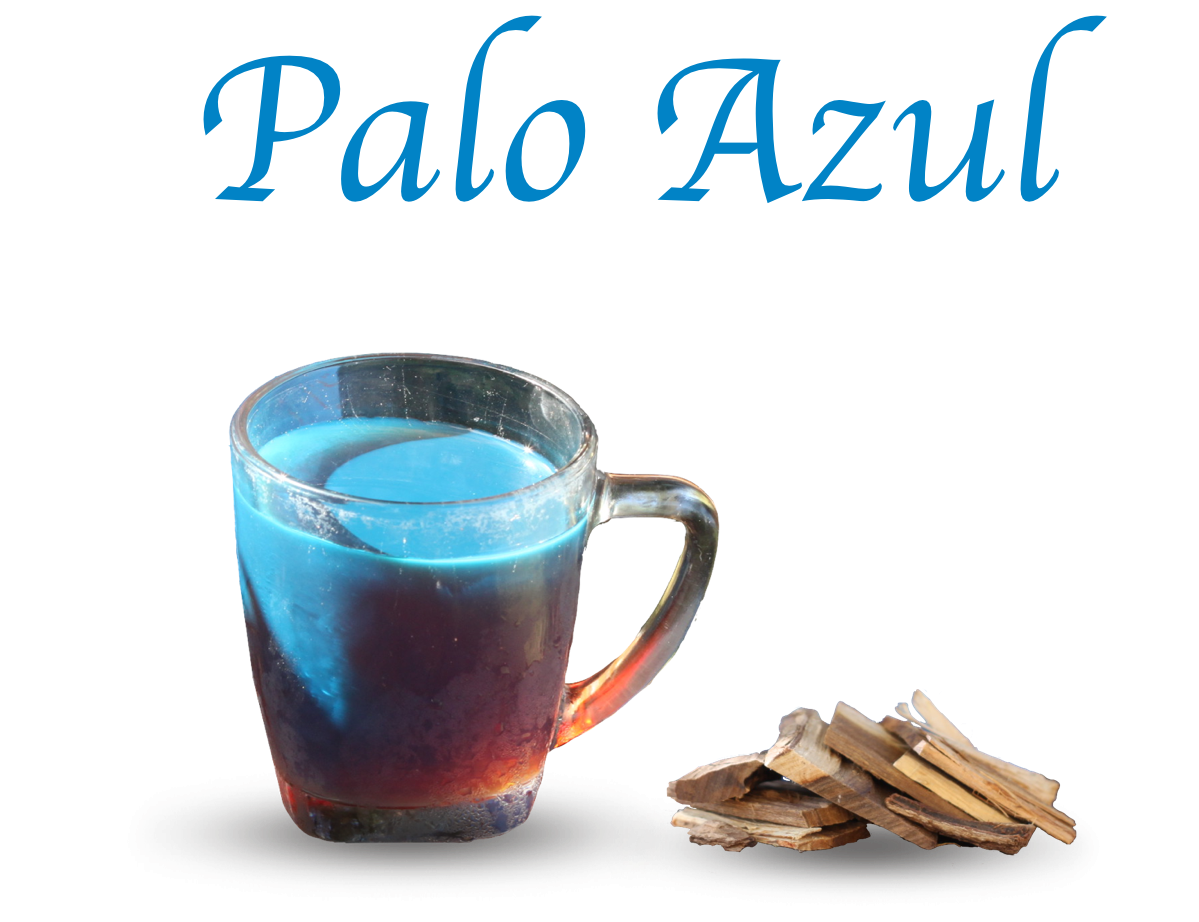

Palo azul tea has been used traditionally for improving the health of conditions such as joint pain, arthritis, sciatica, rheumatism, lumbago and gout for centuries! A 2021 study even mentions that “palo azul tea is widely used in folk medicine as a diuretic and for the treatment of kidney diseases, urinary tract irritation, kidney pain and bone pain (analgesic).”
You might be thinking…How can drinking tea promote joint health and alleviate joint pain? We thought the same thing, so we some research and found 4 principal properties in palo azul which may help to promote bone health: Anti-inflammatory, anti-arthritic, flavonoids, and antinociception.
1. Anti-inflammatory

A common cause of joint pain is inflammation…and many studies have shown that palo azul exhibited significant anti-inflammatory activity. Dozens of studies have shown that palo azul and its flavonoids are powerful anti-inflammatories and because of this property, their ability to support bone and joint health has been demonstrated.
For example, a 2018 study concluded the following: “The results here presented corroborate the folk medicinal use of Eysenhardtia polystachya (palo azul) in the treatment of infections, diarrhea, inflammation, and pain.”
Moreover, a 2015 study in particular concluded that “extracts in palo azul act as anti-inflammatory agents.”
A 2016 study similarly concluded that palo azul “exhibited significant anti-inflammatory activity” and the researchers concluded that “the results of this study demonstrated that the bark of palo azul acts as an anti-inflammatory agent.”
Another 2016 study mentioned that “E. polystachya (palo azul) is widely used in folk medicine as a blood depurative, antitussive, antispasmodic, anti-diabetic, febrifuge, anti-inflammatory, anti-rheumatic and analgesic agent.”
Analgesic: Relieves different types of pain — from headaches to injuries to arthritis.
The previously cited 2018 study explains how inflammation can damage joints:
“Many different pathways contribute to the pathogenesis of RA (rheumatoid arthritis), especially pro-inflammatory cytokine pathways such as those mediated by tumour-necrosis factor alpha (TNF-α), interleukin 1 beta (IL-1β), IL-18, and IL-6. IL-1, IL-6, and TNF-α are the key cytokines that drive inflammation in RA (5). These cytokines activate cells in their local environments and continue the production of cytokines; this in turn creates a positive feedback loop between fibroblasts and macrophage-like synoviocytes, perpetuating synovial inflammation (6). Moreover, these soluble pro-inflammatory molecules activate various signal transduction cascades and activate transcription factors, which subsequently induce the over-expression of matrix metalloproteinases (MMPs), osteoclast formation, and synovial proliferation, ultimately leading to the destruction of joints and functional impairments.”
Their study showed that “after treatment for 7 days with (palo azul), the concentration of pro-inflammatory cytokines IL-6, TNF-α and GM-CSF decreased.” In addition, they found that after arthritis develops, what follows is “the destruction of periarticular bone and cartilage” and this “eventually causes bony ankylosis and leg deformities.” They concluded that “palo azul) partially inhibited the degradation of cartilage and bone, likely due to flavonoids.”
Additionally, this 2018 study found that palo azul has D-pinitol, which has been shown to be “osteoporosis preventive.”
2. Anti-arthritic

The previously cited 2016 study also found that palo azul had a “significantly dose-related anti-arthritic activity in M. tuberculosis-induced adjuvant arthritis test in rats, which is considered close to simulating human rheumatoid arthritis.”
Another 2018 study explains the biological mechanisms of palo azul’s anti-arthritic activity:
“We evaluated the anti-arthritic and antinociceptive properties of an (palo azul) bark and its rich-flavonoids fractions in murine models. Many plant constituents, including flavonoids, have proven effective against arthritis by reducing cartilage degradation, diminishing leukocyte infiltration in the synovial space, decreasing serum cytokine levels, and other mechanisms.”
What is cartilage degradation, leukocyte infiltration and cytokines?

Cartilage degradation, or Osteoarthritis, occurs when the cartilage that cushions the ends of bones in your joints gradually deteriorates.
Leukocyte infiltration contributes to the development of tissue injury associated with inflammatory diseases. Leukocytes are activated to secrete a variety of substances such as growth factors, chemokines and cytokines, which are considered to be one of the primary sources of the tissue injury.
Cytokines are involved in the up-regulation of inflammatory reactions.
In other words…palo azul’s flavonoids showed the ability to reduce bone deterioration and tissue injury because of their anti-inflammatory activity.
3. Rich in flavonoids

Flavonoids are natural antioxidant compounds which plants produce to fight oxidative stress, inflammation, and diseases. They’re commonly found in vegetables, fruits, and teas such as palo azul.
One study found that flavonoids “have the most potential of dietary components for promotion of bone health beyond calcium and vitamin D.”

This same study mentions that “recent epidemiological studies show flavonoid consumption to have a stronger association with bone than general fruit and vegetable consumption.”
A 2012 study explains the beneficial biological mechanisms of flavonoids in bone health:
“Flavonoids have been reported to enhance bone formation and to inhibit bone resorption through their action on cell signaling pathways that influence osteoblast and osteoclast differentiation.”
What does bone formation/resorption and osteoblast/osteoclast mean?

Bone formation, also called ossification, is the process by which new bone is produced.
Bone resorption is the destruction of bone tissues that promotes bone loss, that is, a decrease in bone mass and bone density.
Osteoblasts are cells that are involved in the formation and mineralization of bones
Osteoclasts are the cells that degrade bone to initiate normal bone remodeling and mediate bone loss in pathologic conditions by increasing their resorptive activity.
In other words…flavonoids showed the ability to promote new bone formation and to prevent bone loss or destruction. For these reasons, flavonoids may be even more beneficial for bone health than calcium or vitamin D!
Flavonoid-rich foods: apples, pears, onions, strawberries, blueberries, celery, peppers, and teas

4. Antinociceptive

Several studies have also shown that palo azul has antinociceptive properties. What does this mean? Antinociceptives block the detection of a painful or harmful stimulus by blocking signals from neurons.
A 2018 study mentioned that palo azul “decreased the serum levels of pro-inflammatory cytokines and showed antinociceptive activity. These findings support the use of Eysenhardtia polystachya (palo azul) in Mexican folk medicine for treating rheumatoid arthritis and pain management.”
They also showed that palo azul “induced a similar antinociceptive effect to indomethacin.”
Indomethacin is an anti-inflammatory drug used to relieve pain, swelling, and joint stiffness caused by arthritis, gout, bursitis, and tendonitis.
This 2009 study mentions that “pro-inflammatory cytokines are involved in the up-regulation of inflammatory reactions, and there is abundant evidence that certain pro-inflammatory cytokines are involved in the process of pathological pain.”
In other words…palo azul showed the ability to decrease pro-inflammatory cytokines, which are associated with inflammation and pain.

Lastly, another 2018 study published an interesting finding: “Palo azul showed antinociceptive and antidiarrheal effects with similar potency compared to standard drugs.”
* Although we do not recommend replacing standard medications, these findings establish the importance of having a diet full of natural medicines with potent health benefits.
Conclusion
In conclusion, palo azul may help to promote bone and joint health because it’s anti-inflammatory, anti-arthritic, antinociceptive and it’s rich in flavonoids. Substantial evidence demonstrates that all these properties could have beneficial effects related to bone deterioration, cartilage degradation, and inhibiting the sensation of pain.
P.S…Don’t forget to help your loved ones by sharing palo azul with them!

Clinical Studies
Palo azul is also known as: Eysenhardtia polystachya (E. polystachya, E.P), Cyclolepis genistoides (C. genistoides), kidney wood and palo dulce
(April 2021) Medicinal and Aromatic Plants of South America: Cyclolepis Genistoides
(2012) Flavonoid intake and bone health
(2016) Diuretic activity of the bark of Eysenhardtia polystachya
(May 2011) Anti-inflammatory properties from isolated compounds of Cyclolepis genistoides
(2009) Chapter 18 – Flavonoids and Cardiovascular Health
(Dec 2016) (Medical Review: 161 studies) Flavonoids: an overview
(2014) Chapter 32 – Anti-Inflammatory and Immunomodulatory Properties of Dietary Flavonoids