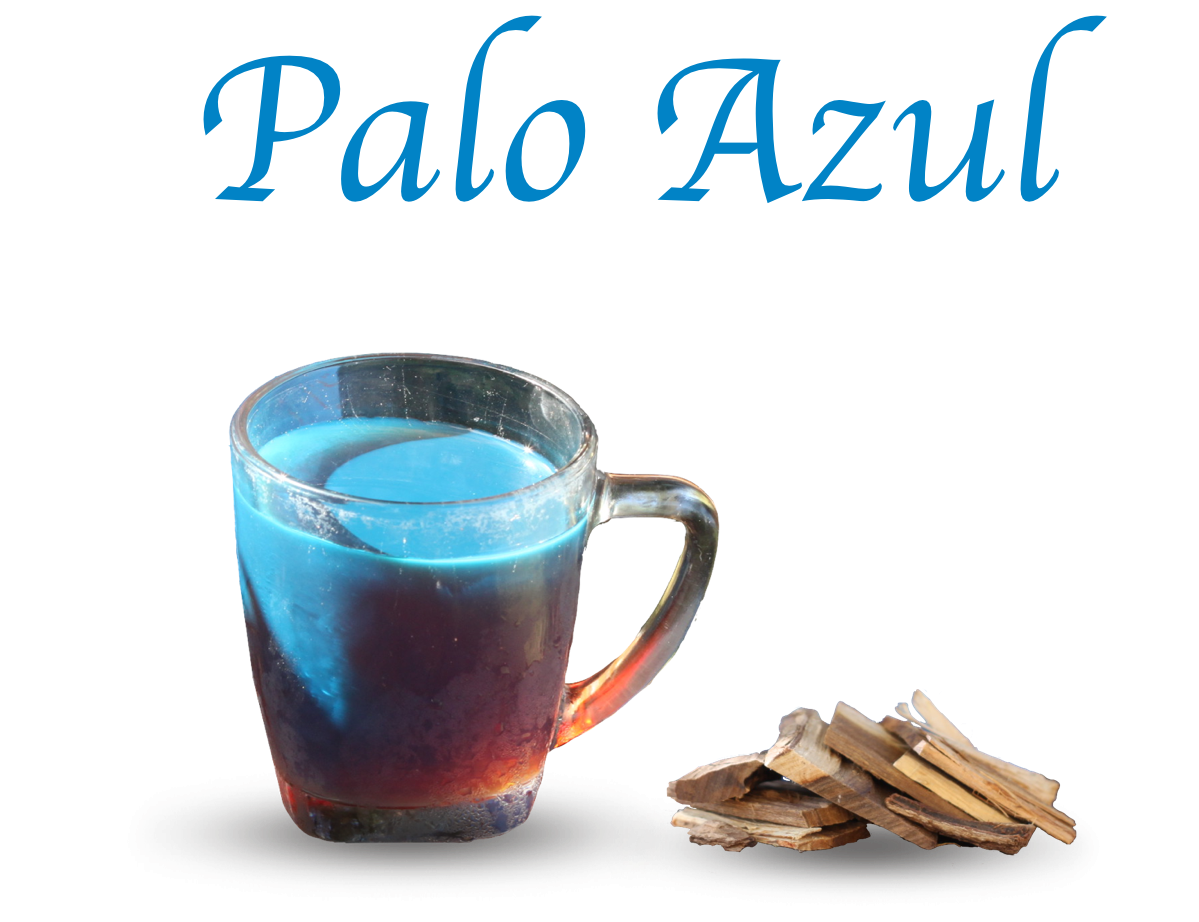

Numerous studies have shown that palo azul tea is rich in flavonoids which make it a powerful antioxidant and anti-inflammatory. Due to these properties, the studies showed that palo azul can help to lower blood pressure, improve cholesterol levels, endothelial function, and inhibit LDL oxidation and dyslipidemia which contribute to atherosclerosis.
Due to its flavonoid rich content, this 2020 review on palo azul mentions that “among the actions determined are its diuretic, antidiabetic, antiglycation, antioxidant, anti-inflammatory, and antimicrobial potential. It also has cytotoxic properties, is cardioprotective, and inhibits neurodegeneration.”
A 2014 study on palo azul, also found that palo azul’s “antioxidant activity may be attributed to the presence of phenolic and flavonoid compounds.” This study concluded that “palo azul reduced the blood glucose, body weight, glycogen, levels of triglyceride, and cholesterol.”
1. Lowers Blood Pressure

This 2021 study mentions that palo azul is used as a “blood purifier, against liver diseases and as a hypotensive”, meaning that it lowers blood pressure.
Hypotensive drugs reduce arterial blood pressure and cardiac output and thereby lower the work and oxygen consumption of the heart.
2. Improves Cholesterol Levels

A 2021 study on palo azul tea concluded that “mice treated with the palo azul extract showed significant decrease in fastingblood glucose level and lipid profile (cholesterol).”
This 2018 study found that palo azul “showed antidiabetic and anti-hyperlipidemic activities” and it “markedly decreased the levels of serum triglycerides (40%) and total cholesterol (29.4%).” As the American Heart Association defines it, “hyperlipidemia means your blood has too many lipids (or fats), such as cholesterol and triglycerides.”
This 2021 study similarly showed that “mice treated with the palo azul extract showed significant decrease in fasting blood glucose level and lipid profile (cholesterol).” More specifically, “the oral administration of (palo azul extract) to the diabetic mice resulted in a significant decrease in triglycerides and cholesterol levels as compared to the untreated diabetic mice.”

This 2014 study showed that the “level of HDL was increased” after oral administration of palo azul.
The CDC mentions that “HDL (high-density lipoprotein), or “good” cholesterol, absorbs cholesterol and carries it back to the liver. The liver then flushes it from the body. High levels of HDL cholesterol can lower your risk for heart disease and stroke.”
3. Anti-atherosclerotic

A 2020 study concluded that “the trend of anti-obesity, anti-atherosclerosis, and blood glucose-lowering effects of palo azul has been confirmed” and “it is expected to have a preventive effect on metabolic syndrome.”
Metabolic syndrome is a cluster of conditions that occur together, increasing your risk of heart disease, stroke and type 2 diabetes.
Furthermore, these studies (1, 2) showed that palo azul has oleanolic acid, and this review found that “oleanolic acid might be effective against dyslipidemia, diabetes and metabolic syndrome, through enhancing insulin response” and it has “anti-atherosclerotic activities.”
Moreover, this 2014 study mentions that as a member of reactive species, ONOO- (nitrous oxide) has been implicated in several major chronic diseases such as diabetes, Alzheimer’s disease, rheumatoid arthritis, cancer and atherosclerosis” and “(palo azul) was shown to have a moderate scavenging activity against ONOO-.

This 2016 study similarly mentioned the following: “ROS such as hydrogen peroxide (H2O2), superoxide anion (), hydroxyl radical (OH), nitrogen oxide (NO), and lipid peroxides are formed in aerobic metabolism as normal products but also are produced under pathophysiological conditions in elevated rates. ROS can be responsible for the attack to biological macromolecules such as nucleic acids, proteins, membrane lipids, and carbohydrates, causing damage in the cell, which has been implicated in cardiovascular diseases, cancer, neurodegenerative disorders, and diabetes. Scavenging of hydrogen peroxide by (palo azul) was found to be better compared to the ascorbic acid.”
This 2018 study mentions that “ROS can induce oxidative stress, producing severe intracellular damage that can lead to cell death, and they are elevated in various pathological conditions and diseases including atherosclerosis, age-related disorders, diabetes, rheumatoid arthritis, cancer, inflammatory diseases and neurodegenerative disease” and “(palo azul) restored the enzymatic antioxidant system that was able to reduce ROS production.”
Activates Nrf2
This 2021 study found that palo azul “protects cells against OS via the modulation of cellular antioxidant defenses: activation of catalase and Nrf2 nuclear translocation.”
Nrf2 plays an important role in exercise-induced cardiovascular benefits such as increased mitochondrial biogenesis and capacity, physiologic remodeling of the heart muscle, and reduced arteriosclerosis.
Arteriosclerosis is a heart condition that occurs when arteries grow thick and stiff and restrict blood flow to organs and tissues in the body. Arteriosclerosis can develop into atherosclerosis, which can cause heart disease, strokes, and circulation problems.
4. Diuretic

Numerous studies have shown that palo azul is diuretic, and this 2007 study on palo azul mentions that “diuretics constitute an indispensable group of therapeutic drugs used to adjust the volume and/or composition of body fluids in various clinical situations, including hypertension, acute and chronic heart failure, acute and chronic renal failure, as well as nephrotic syndrome and liver cirrhosis.”
The authors concluded the following: “This will serve as a basis for (palo azul’s) continued use as a therapeutic alternative in numerous pathological processes that are treated with diuretics such as hypertension, heart failure, renal failure, nephrotic syndrome and liver cirrhosis.”
5. Rich in Flavonoids

Flavonoids are phytonutrients which are produced by vegetables, fruits, plants, bark, flowers, wine and tea. Thousands of studies have found numerous health benefits in flavonoids and these are attributed to their anti-oxidative, anti-inflammatory, anti-diabetic, anti-aging, anti-hypertensive, anti-bacterial and anti-mutagenic properties.
A 2021 study even found several phytochemicals in palo azul such as “flavones, isoflavones, flavanones, phenolic compounds, chalcones and dihydrochalcones” which have been linked to its health benefits, highlighting “diuretic, antidiabetic, antiglycation, antioxidant, anti-inflammatory, antimicrobial potential.”

A medical review which analyzed 161 studies found that “dietary flavonoids are associated with a lower risk of hypertension and CVD (cardiovascular disease).” The scientists also observed that “the blood pressure level was reduced in patients with hypertension” after greater consumption of flavonoids.
Another medical review which analyzed 166 studies found that “flavonoids in tea may lower blood cholesterol concentrations and blood pressure, thereby providing some protection against cardiovascular disease.”
In addition, the researchers found that the antioxidant property of flavonoids “inhibits LDL (cholesterol) oxidation.” They mention that “oxidative modification of LDL cholesterol is thought to play a key role during atherosclerosis.”
Atherosclerosis is the build-up of fats, cholesterol, and other substances in and on the artery walls that cause obstruction of blood flow.

Furthermore, this review supports the previous findings with the following conclusion: “Flavonoids can prevent injury caused by free radicals in various ways and one way is the direct scavenging of free radicals. This action protects the LDL particles and, theoretically, flavonoids may have preventive action against atherosclerosis.”
In other words…flavonoids may help to promote healthy levels of cholesterol, reduce fat storage, decrease blood clots, and improve blood flow because of their ability to scavenge free radicals.
6. Improve Endothelial Function

A medical review which analyzed 161 studies found that “consumption of flavonoids is associated with improvement in endothelial function via vascular endothelial nitric oxide synthase and protein kinase B (Akt) activation.”
The previously cited 2009 explains the beneficial effects of flavonoids in endothelial function:
“Studies have indicated the protective effects of flavonoids in cardiovascular diseases and these chemicals possess the bioactivity to positively affect against cardiovascular risk factors such as lipoprotein oxidation, dyslipidemia and endothelial dysfunction.”
Dyslipidemia is elevation of plasma cholesterol and triglycerides that contribute to the development of atherosclerosis. This essentially means that flavonoids can help to promote healthy cholesterol levels.
What is endothelial dysfunction?

The endothelium is a thin membrane that lines the inside of the heart and blood vessels. Endothelial cells release substances that control vascular relaxation and contraction, as well as enzymes that control blood clotting, immune function, and platelet adhesion.
This study explains that “endothelial function is a metric that reflects the production of endothelium-derived messengers that control vascular tone, blood flow, immune cell activity and adhesion, all of which play a role in regulating blood pressure.” In other words…Healthy endothelial function = Cardiovascular health.

In fact, the researchers mention that “most markers of inflammation, obesity and cardiovascular risk are connected to endothelial function.” Interestingly, they also said that “endothelial dysfunction is the first diagnosable clinical correlate of atherosclerosis.“
Moreover, they state that “endothelial dysfunction is an early predictor of cardiovascular events or mortality since most cardiovascular diseases are connected to atherosclerosis, which in turn is directly associated with endothelial dysfunction.”

The researchers of the 2009 study explain the following beneficial cardioprotective properties of flavonoids:
“Antioxidant, antithrombotic, anti-inflammatory, and hypolipidemic properties play a significant role in the lower cardiovascular mortality illustrated by increased flavonoid consumption. The cardioprotective role of tea is reported to be due to antioxidant effect of the flavonoids, which act as scavengers for free radicals.”
Antithrombotic means that it reduces the formation of blood clots (thrombi). Antithrombotics can be used therapeutically for prevention or treatment of a dangerous blood clot.
Hypolipidemic means that it reduces the level of lipids and lipoproteins in the blood. Lipoproteins bind cholesterol and can accumulate in blood vessels. High levels of low-density lipoproteins LDL (bad cholesterol) have been associated with an elevated risk of cardiovascular disease, heart attack, and stroke.

The researchers mention that epidemiological, clinical and animal studies reveal that “flavonoids may exert protective effects against various disease conditions including cardiovascular disease and cancer.
In other words…flavonoids may help to reduce blood clots and bad cholesterol levels in the blood, thereby improving cardiovascular health.
7. Antioxidant

Many studies have shown that palo azul is a powerful antioxidant, therefore it’s effective at scavenging free radicals.
This 2016 review mentions that “flavonoids have miscellaneous favourable biochemical and antioxidant effects associated with various diseases such as cancer, Alzheimer’s disease (AD) and atherosclerosis.”
They concluded the following: “Flavonoids can prevent injury caused by free radicals in various ways and one way is the direct scavenging of free radicals. This action protects the LDL particles and, theoretically, flavonoids may have preventive action against atherosclerosis.”
This 2010 study also found that polyphenols have the ability to “inhibit LDL oxidation via a mechanism involving scavenging of free radicals.” The authors mention that the “oxidative modification of LDL cholesterol is thought to play a key role during atherosclerosis.”
8. Anti-inflammatory

Numerous studies have shown that palo azul is a powerful anti-inflammatory, and this 2010 study found that “polyphenolic compounds (flavonoids) have demonstrated their inhibitory effects against chronic vascular inflammation associated with atherosclerosis.”
A 2009 study explains the biological mechanisms of flavonoids in atherosclerosis:
“Flavonoids have been reported to beneficially impact parameters associated with atherosclerosis, including lipoprotein oxidation, blood platelet aggregation, and vascular reactivity. Flavonoids inhibit LDL oxidation via a mechanism involving scavenging of free radicals.”

Lipoprotein oxidation triggers inflammation leading to the formation of plaque in the arteries, also known as atherosclerosis. Oxidized LDL may also play a role in increasing the amount of triglycerides the body produces, as well as increasing the amount of fat deposited by the body.
Blood platelet aggregation measures how well platelets, a part of blood, clump together and cause blood to clot.
Vascular reactivity is broadly defined as the responsiveness of a blood vessel to a specific stimulus.
In other words…flavonoids prevent oxidation and inflammation which can lead to the formation of plaque in arteries (atherosclerosis).

Conclusion
In summary, palo azul may help to support healthy cardiovascular function because it’s rich in flavonoids. These phytonutrients can help to inhibit oxidative stress, scavenge free radicals, and they’ve also shown anti-thrombotic and hypolipidemic activity. Because of these properties, flavonoids may help to lower lipoprotein oxidation, which is associated with reduced blood clots and lower bad cholesterol levels in the blood. Therefore, these mechanisms could improve endothelial function, which is a key metric for cardiovascular health.

Clinical Studies
Palo azul is also known as: Eysenhardtia polystachya (E. polystachya, E.P), Cyclolepis genistoides (C. genistoides), kidney wood and palo dulce
(2021) Cyclolepis genistoides aqueous extract as source of neuroprotective agents
(August 2021) Screening Anti-Inflammatory Effects of Flavanones Solutions
(2021) Screening Anti-Inflammatory Effects of Flavanones Solutions
(2013) (Medical review: 166 studies) Chemistry and Biological Activities of Flavonoids: An Overview
(2016) (Medical Review: 161 studies) Flavonoids: an overview
(2009) Chapter 18 – Flavonoids and Cardiovascular Health
American Heart Association: Prevention and Treatment of High Cholesterol (Hyperlipidemia)