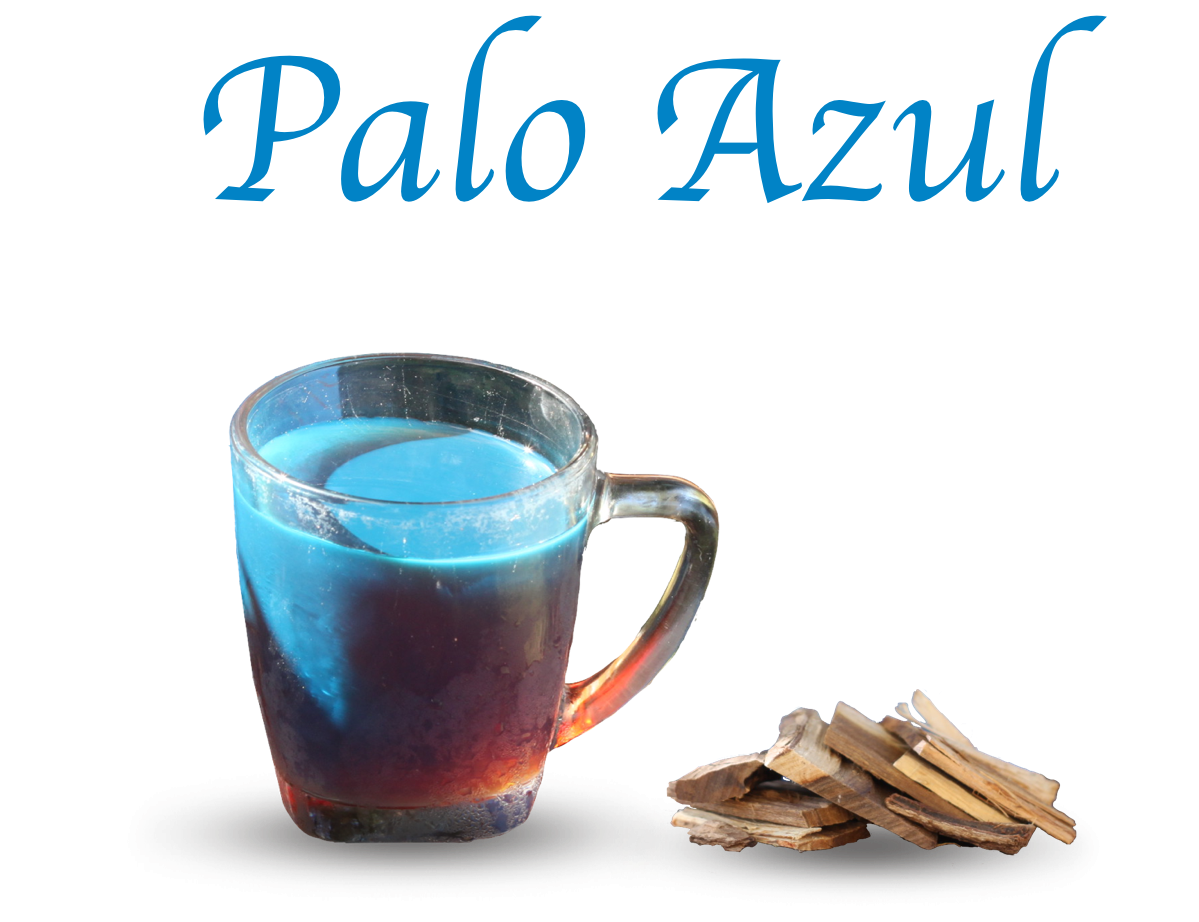

Several studies showed that palo azul tea can lower LDL cholesterol and triglycerides because it is antioxidant and anti-hyperlipidemic. Below we dig deeper on the research.
1. Decreases Triglycerides & LDL (Bad Cholesterol)
This 2018 study found that palo azul “showed antidiabetic and anti-hyperlipidemic activities” and it “markedly decreased the levels of serum triglycerides (40%) and total cholesterol (29.4%).” As the American Heart Association defines it, “hyperlipidemia means your blood has too many lipids (or fats), such as cholesterol and triglycerides.”
A 2021 study showed that “mice treated with the palo azul extract showed significant decrease in fasting blood glucose level and lipid profile (cholesterol).” More specifically, “the oral administration of (palo azul extract) to the diabetic mice resulted in a significant decrease in triglycerides and cholesterol levels as compared to the untreated diabetic mice.”
The researchers suggest that “(palo azul extract) treatment resulted in decreased oxidative stress by scavenging free radicals and ROS, the normalization of cell function, and consequently, the down-regulation of TG (triglycerides) levels.” Therefore, palo azul’s ability to improve cholesterol and triglyceride levels could be due to its antioxidant property, which allows it to scavenge free radicals and neutralize reactive oxygen species (ROS).
Moreover, a 2014 study which corroborated these results concluded that “palo azul reduced blood glucose, body weight and cholesterol” and “there was reduction in the levels of triglyceride, cholesterol and LDL.”
In addition, these studies (1, 2, 3, 4, 5) have found that palo azul has triterpenes, and this review explains that triterpenes can “prevent the development of insulin resistance” and they have been found to manifest “hypolipidemic and anti-obesity activity.
Hypolipdemics are used to lower the level of lipids and lipoproteins such as cholesterol
2. Increases HDL (Good Cholesterol)

The CDC mentions that “HDL (high-density lipoprotein), or “good” cholesterol, absorbs cholesterol and carries it back to the liver. The liver then flushes it from the body. High levels of HDL cholesterol can lower your risk for heart disease and stroke.”
This 2014 study showed that the “level of HDL was increased” after oral administration of palo azul.
Additionally, these studies (1, 2) found that palo azul has ursolic acid, and this review mentions that “UA (ursolic acid) treatment decreases body weight, fat mass, TG (triglycerides) level, plasma leptin concentration, and lipid accumulation and increases in high-density lipoprotein (HDL)-cholesterol, brown adipose tissue, insulin sensitivity, fatty acid uptake, and β-oxidation.”
3. Improves Insulin Resistance

Numerous studies (1, 2, 3) have shown that palo azul improved insulin resistance conditions, and this 2014 study explains why this is important for maintaining healthy cholesterol levels:
“Insulin deficiency is associated with hypercholesterolaemia and hypertriglyceridaemia. STZ-induced diabetes showed increased plasma levels of cholesterol, triglyceride, free fatty acid and phospholipids. Insulin deficiency or insulin resistance could be responsible for dyslipidaemia because insulin increases fatty acid as well as triglyceride synthesis in adipose tissue and liver.”
They concluded that “STZ-mice showed hypercholesterolaemia and hypertriglyceridaemia and the treatment with (palo azul) significantly decreased both cholesterol and triglyceride levels.”
Another study similarly concluded that “the hypertriglyceridemia and hypercholesterolemia observed in the diabetic fish resulted from the increases in TC and TG levels. However, (palo azul extracts) ameliorated dyslipidemia and reversed insulin resistance, which consequently enhanced lipid metabolism.”
Dyslipidemia is elevation of plasma cholesterol and triglycerides that contribute to the development of atherosclerosis.
Moreover, these studies (1, 2) showed hat palo azul increased adiponectin, and this Nature study found that “adiponectin reverses insulin resistance associated with both lipoatrophy and obesity”. Adiponectin decreases insulin resistance by decreasing triglyceride content.”
4. Anti-Atherosclerotic

This found concluded that “the trend of anti-obesity, anti-atherosclerosis, and blood glucose-lowering effects of palo azul has been confirmed. There is also a possibility that it affects waist circumference, triglycerides, HDL cholesterol, and adiponectin.”
Therefore, the researchers mention that palo azul “is expected to have a preventive effect on metabolic syndrome.”
According to the Mayo Clinic, “metabolic syndrome is a cluster of conditions that occur together, increasing your risk of heart disease, stroke and type 2 diabetes.”
Furthermore, these studies (1, 2) showed that palo azul has oleanolic acid, and this review found that “oleanolic acid might be effective against dyslipidemia, diabetes and metabolic syndrome, through enhancing insulin response” and it has “anti-atherosclerotic activities.”
This 2018 study mentions that “ROS can induce oxidative stress, producing severe intracellular damage that can lead to cell death, and they are elevated in various pathological conditions and diseases including atherosclerosis, age-related disorders, diabetes, rheumatoid arthritis, cancer, inflammatory diseases and neurodegenerative disease” and “(palo azul) restored the enzymatic antioxidant system that was able to reduce ROS production.”
5. Rich in flavonoids

Numerous studies have also found that palo azul tea is rich in flavonoids and polyphenols, which are natural antioxidant compounds found in plants, vegetables, fruits, and teas. You can learn all about flavonoids here, but in summary…the studies have shown that flavonoids are antioxidant, anti-inflammatory, anti-diabetic, anti-aging and anti-hypertensive.
Due to these properties, a 2014 study found that palo azul “inhibited the chemically-induced LDL oxidation.”
Because of these properties, a study concluded that “flavonoids in tea may lower blood cholesterol concentrations and blood pressure, thereby providing some protection against cardiovascular disease.” Moreover, the researchers found that the antioxidant property of flavonoids “inhibits LDL (cholesterol) oxidation.”

There’s even been randomized studies on the beneficial effects of flavonoids and cholesterol…and these are considered to be the Gold Standard of clinical studies. A 2013 review of randomized control studies concluded the following:
“Meta-analyses of randomized trials indicate that the strongest evidence exists for a beneficial effect of green tea on LDL-cholesterol and a beneficial effect of flavan-3-ol-rich cocoa on endothelial function and insulin sensitivity.”
This is due to their ability to “inhibit LDL oxidation via a mechanism involving scavenging of free radicals.” The authors explain that the “oxidative modification of LDL cholesterol is thought to play a key role during atherosclerosis.”
A 2009 study explains the biological mechanisms of flavonoids in lowering cholesterol: “Flavonoids have been reported to beneficially impact parameters associated with atherosclerosis, including lipoprotein oxidation, blood platelet aggregation, and vascular reactivity. Flavonoids inhibit LDL oxidation via a mechanism involving scavenging of free radicals.”
What is lipoprotein oxidation, blood platelet aggregation and vascular reactivity?

Lipoprotein oxidation triggers inflammation leading to the formation of plaque in the arteries, also known as atherosclerosis. Oxidized LDL may also play a role in increasing the amount of triglycerides the body produces, as well as increasing the amount of fat deposited by the body
Blood platelet aggregation measures how well platelets, a part of blood, clump together and cause blood to clot.
Vascular reactivity is broadly defined as the responsiveness of a blood vessel to a specific stimulus.
In other words…flavonoids can help to promote healthy levels of cholesterol, fat storage, decrease blood clots, and improve blood flow because of their ability to scavenge free radicals.

A medical review which analyzed 161 studies similarly concluded the following: “Flavonoids can prevent injury caused by free radicals in various ways and one way is the direct scavenging of free radicals. This action protects the LDL particles and, theoretically, flavonoids may have preventive action against atherosclerosis.”
What are free radicals?
Free radicals are atoms with a single valence electron that cause damage to the body associated with diabetes, cancer, aging, atherosclerosis, Parkinson’s, Alzheimer’s and many other diseases.

This happens because electrons like to be in pairs… and for this reason, free radicals look for “free” electrons in the body. This causes damage to cells, proteins, DNA and these damaged molecules can mutate, grow tumors, and damage the DNA code. Eventually, this cellular damage causes new cells to grow with defects and it will lead to aging and degenerative diseases.
6. Improves endothelial function

A medical review which analyzed 166 studies found that the “consumption of flavonoids is associated with improvement in endothelial function via vascular endothelial nitric oxide synthase and protein kinase B (Akt) activation.”
A 2009 review on flavonoids explains that “studies have indicated the protective effects of flavonoids in cardiovascular diseases and these chemicals possess the bioactivity to positively affect against cardiovascular risk factors such as lipoprotein oxidation, dyslipidemia and endothelial dysfunction.”
What is endothelial dysfunction?

The endothelium is a thin membrane that lines the inside of the heart and blood vessels. Endothelial cells release substances that control vascular relaxation and contraction, as well as enzymes that control blood clotting, immune function, and platelet adhesion.
Endothelial dysfunction has been shown to be important in predicting stroke and heart attacks due to the inability of the arteries to dilate completely. Dysfunction can result from high blood pressure, diabetes, high cholesterol, and smoking.
A 2020 study explains that “endothelial function is a metric that reflects the production of endothelium-derived messengers that control vascular tone, blood flow, immune cell activity and adhesion, all of which play a role in regulating blood pressure.” In other words…Healthy endothelial function = Cardiovascular health.

In fact, the researchers mention that “most markers of inflammation, obesity and cardiovascular risk are connected to endothelial function.” Interestingly, they also said that “endothelial dysfunction is the first diagnosable clinical correlate of atherosclerosis.“
Finally, they state that “endothelial dysfunction is an early predictor of cardiovascular events or mortality since most cardiovascular diseases are connected to atherosclerosis, which in turn is directly associated with endothelial dysfunction.”
7. Inhibits Lipid Peroxidation

This review explains that “oxidative modification of low-density lipoprotein (LDL) is one of the earliest events in atherosclerosis. Oxidized LDL (oxLDL) represents a variety of modification of both lipid and apolipoprotein B (apoB) components by lipid peroxidation. This promotes atherosclerosis through inflammatory and immunologic mechanisms that lead to the formation of macrophage foam cells.”
This 2007 study on palo azul found that “the antioxidant activity displayed by (palo azul) could be due to the fact that the extracts reduced the peroxyl formed by AAPH during the initiation of lipid peroxidation, preventing lipid peroxidation from occurring.”
This 2014 study similarly found that palo azul “possesses considerable antioxidant activity with reactive oxygen species (ROS) scavenging activity and demonstrated an anti-AGEs and hepatoprotective role, inhibits hyperglycemic, hyperlipidemic and oxidative stress.”
The researchers showed that palo azul “inhibited the chemically-induced LDL oxidation. The effect of (palo azul) on LDL may be due to the polyphenol content, since these compounds have been found to act against LDL oxidation.”
This study further explains that “oxidized low-density lipoprotein (OxLDL) contributes to the atherosclerotic plaque formation and progression by several mechanisms, including the induction of endothelial cell activation and dysfunction, macrophage foam cell formation, and smooth muscle cell migration and proliferation.”
Conclusion
In conclusion…palo azul tea can help to lower the bad cholesterol, increase the good cholesterol, improve insuli resistance and endothelial function, which is associated with healthy levels of blood pressure, reduced fat storage and blood clots in the arteries. This is due to palo azul’s ability to inhibit oxidative stress and scavenge free radicals which negatively impact cardiovascular health.
Flavonoid-rich foods: apples, pears, onions, strawberries, blueberries, celery, and teas


Clinical Studies
Palo azul is also known as: Eysenhardtia polystachya (E. polystachya, E.P), Cyclolepis genistoides (C. genistoides), kidney wood and palo dulce
Ursolic acid in health and disease
(2009) Chapter 18 – Flavonoids and Cardiovascular Health
Oleanolic Acid: Extraction, Characterization and Biological Activity
CDC: LDL and HDL Cholesterol and Triglycerides
Cedars Sinai: Endothelial Function Testing
Oxidized Low-Density Lipoprotein
LOX-1, OxLDL, and Atherosclerosis