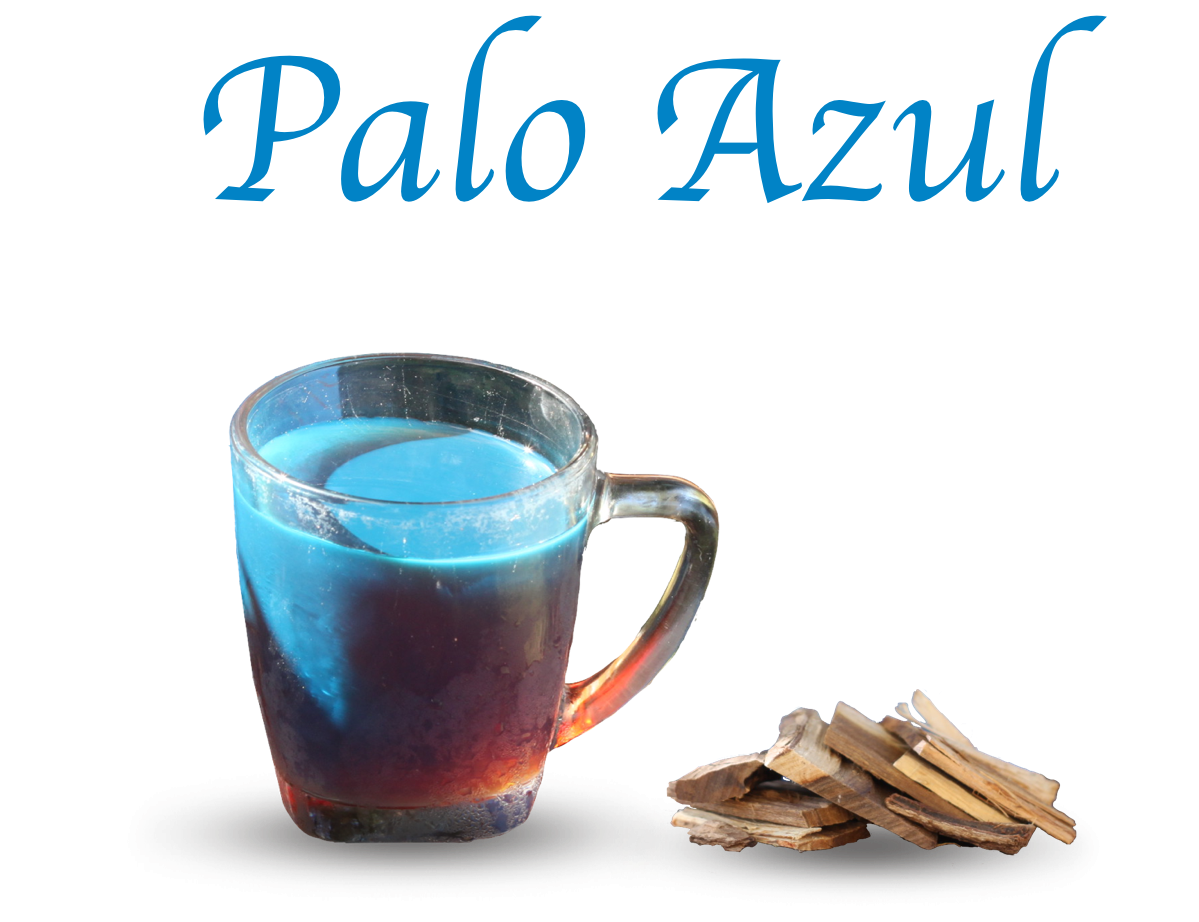

Diuretics are substances which promote diuresis. This means that they increase urination. Fortunately for us though, palo azul tea is not a regular like green tea or coffee. It is actually a potassium-saving diuretic, meaning that it excretes toxins through urination and while retaining optimal electrolyte levels.
* Fun fact: Due to palo azul’s popularity as a diuretic, it’s commonly used by people as a means to clean out their system in order to pass drug tests. Diuretics are so powerful at cleansing the body, that in 1988 they were banned by the World Anti-Doping Agency because athletes were using them to detoxify their bodies and pass drug tests!
How can diuretics help you?
1. Potassium-Saving Diuretic = Flush Toxins

A 2016 study found that palo azul is a “potassium-sparing diuretic”, which means that it flushes out toxins without electrolyte loss because it spares potassium, so it doesn’t lead to dehydration. They found that “(palo azul) induces an increase on urinary excretion of water and sodium, similar to furosemide, but with the advantage of a potassium-saving effect.”
The authors concluded the following: “The (palo azul) extract exhibited advantageous effect with regard to hypokalaemia, a potential adverse effect of furosemide. The (palo azul) extract is acting as potassium-sparing diuretic and this effect should be viewed as a favorable feature of the extract in regards to electrolyte excretion.”
Furosemide is a strong diuretic and may cause dehydration and electrolyte imbalance.
Hypokalaemia: refers to a lower than normal potassium level in your bloodstream.
2. Promote healthy kidney function

Due to palo azul’s popularity for kidney health, it is often known as “kidney wood” or “kidney tea”. Over a dozen studies have evaluated palo azul’s diuretic activity and its beneficial effects for promoting healthy kidney function and reducing kidney stone growth.
A 2008 study tested palo azul’s bark for its “antilithiatic and diuretic activity” and the researchers mention that “a significant decrease in the weight of stones was observed after treatment in animals that received aqueous extract.”
This 2018 study also mentions that palo azul “has shown diuretic and antilithiatic effects, moderate antibacterial effects against Streptococcus mutans, anti-diabetic and antioxidant activity, and antifungal activity.”
Antilithiatic is the technical term for preventing the formation of, or relieving the symptoms of kidney stones.

These finding are corroborated by a 2022 study which mentioned that “(palo azul) contains polyphenols, flavonoids and alkaloids, which could be effective in preventing the process of stone formation. (Palo azul’s) beneficial effects might be associated with diuretic activities, as well as an inhibitory effect on crystallization, nucleation, and aggregation of crystals. Molecular mechanisms involving these effects could be related to antioxidant, anti-inflammatory, and antimicrobial properties.”
Moreover, this 2002 study done in humans with history of urinary stones concluded the following:
“The (palo azul extracts) work as inhibitors in the formation and crystal growth of COM (calcium oxalate) and phosphate and may protect against stone formation by reducing the degree of aggregation and the size of particles precipitated. These compounds can be recommended as a preventive medicine in renal stone formation.”
3. Maintains healthy urinary tract

Several studies show that diuretics are effective in treating urinary tract issues because they increase urinary flow. In addition, this study found that the palo azul extracts were effective against bacteria which are “the most frequent causal agents of urinary tract infection.”
Moreover, this book about botanical medicine writes the following statement about palo azul:
“If prone to acidic, overly concentrated urine, associated kidney stones and urinary tract sediment then Kidneywood (palo azul) will be of use. Because of the plant’s alkalinizing nature, acidic precipitants dissolve back into the urine, thereby reducing pain and urinary tract irritability associated with lithic deposits. Kidney wood (palo azul) is soothing to kidney and urinary tract irritability.”
4. Promote Healthy Blood Pressure

This 2007 study on palo azul mentions that “diuretics constitute an indispensable group of therapeutic drugs used to adjust the volume and/or composition of body fluids in various clinical situations, including hypertension, acute and chronic heart failure, acute and chronic renal failure, as well as nephrotic syndrome and liver cirrhosis.”
The authors concluded the following: “This will serve as a basis for (palo azul’s) continued use as a therapeutic alternative in numerous pathological processes that are treated with diuretics such as hypertension, heart failure, renal failure, nephrotic syndrome and liver cirrhosis.”
Conclusion
In summary, studies show that palo azul’s diuretic activity has beneficial effects on kidney stones, urinary tract function, and blood pressure. Moreover, palo azul showed the advantage of being a potassium-saving diuretic, meaning it helps to flush toxins while retaining optimal electrolyte levels.
P.S…Don’t forget to help your friends & family by sharing palo azul with them!

Clinical Studies
Palo azul is also known as: Eysenhardtia polystachya (E. polystachya, E.P), Cyclolepis genistoides (C. genistoides), kidney wood, palo dulce
(March 2022) Nephroprotective Plants: A Review on the Use in Pre-Renal and Post-Renal Diseases
(August 2021) Screening Anti-Inflammatory Effects of Flavanones Solutions
(Jan 21, 2016) Diuretic activity of the bark of Eysenhardtia polystachya
(Jan-May, 2007) Herbal Drugs in Urolithiasis – A Review
(Dec 18, 1998) Antiurolithiatic activity of Eysenhardtia polystachya aqueous extract on rats
(2021) Magiktea Palo Azul: Natural Diuretic
Thank you for this information. It really helped me, as I had heard about this, but didn’t know what benefits it gad. Thank you.
It’s our pleasure, we’re glad the information helped you!