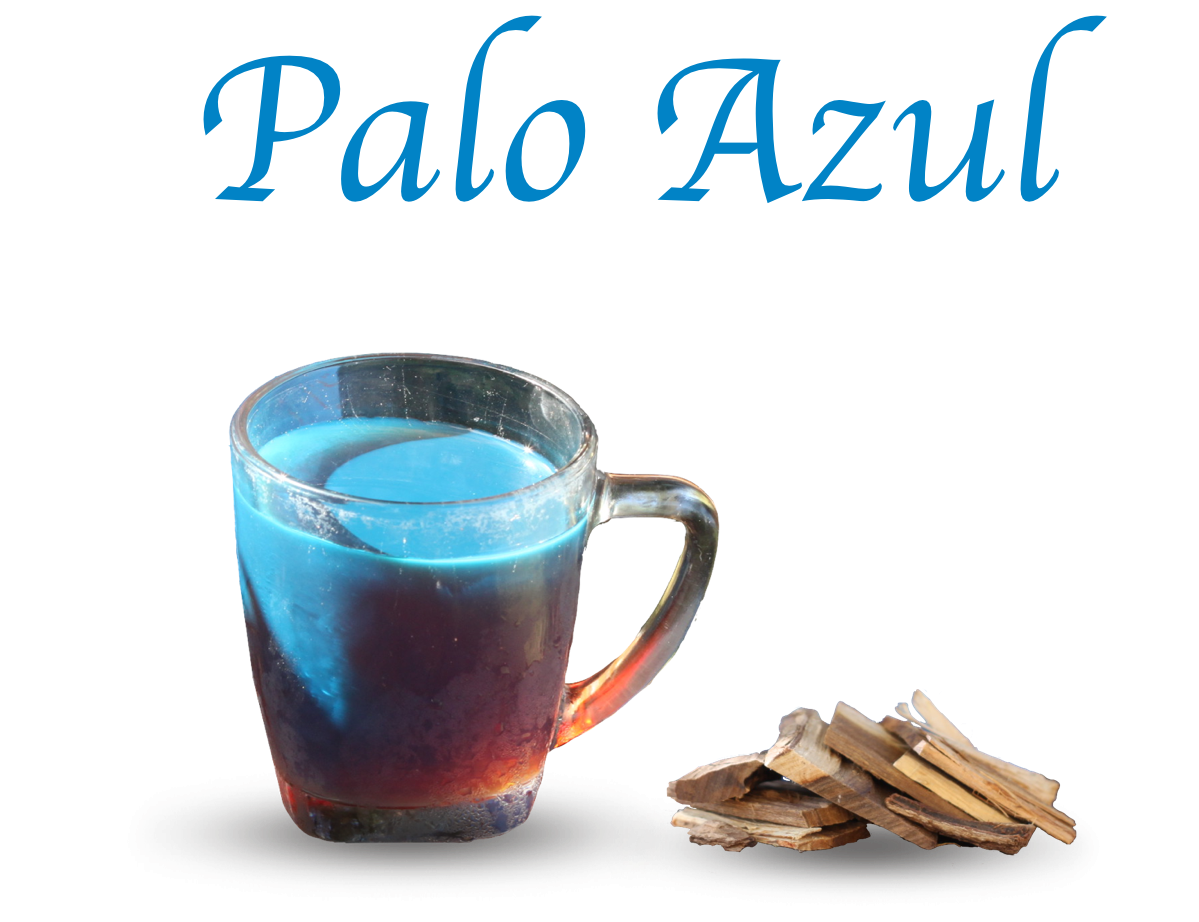

Many studies have attributed palo azul’s powerful antioxidant & anti-inflammatory properties to its flavonoid-rich content. In fact, this article cites sources which demonstrate that palo azul has around “2 to 8 times higher phenolic content than green, black, and yellow teas.”
Fortunately for us…a 2021 study found several phytonutrients in palo azul such as “flavones, isoflavones, flavanones, phenolic compounds, chalcones and dihydrochalcones” which have been linked to its health benefits, highlighting “diuretic, antidiabetic, antiglycation, antioxidant, anti-inflammatory, antimicrobial potential.”
This 2011 study also mentions that “flavonoids have been described as having pleiotropic properties, such as antioxidant, anti-inflammatory, antiaggregant, antiatherosclerotic, antihemorrhagic, vasodilator, antineoplastic, antiviral, antibacterial, antiallergic, hepatoprotective, diuretic, antihypertensive, antispasmodic and antiulcer gastric properties.”

Moreover, this epidemiological study showed an “inverse correlation between dietary flavonoid consumption and chronic degenerative diseases, such as cardiovascular diseases, diabetes, osteoporosis, neurodegenerative diseases, and cancers.”
WebMD describes polyphenols (phytonutrients), as “micronutrients that naturally occur in plants.” The word “phyto” means “plant”, and phytochemicals are micronutrients produced by plants defend themselves against bacteria, fungi, UV radation, and other pathogens. Flavonoids are a family of polyphenolic compounds, and these are found in vegetables, fruits, barks, flowers, and teas.
How can flavonoids help you?

1. Maintain healthy cholesterol levels

One study found that “flavonoids in tea may lower blood cholesterol concentrations and blood pressure, thereby providing some protection against cardiovascular disease” and they “inhibit LDL oxidation.”
This 2018 study found that palo azul “showed antidiabetic and anti-hyperlipidemic activities” and it “markedly decreased the levels of serum triglycerides (40%) and total cholesterol (29.4%).”
A 2014 study also concluded that “palo azulreduced the blood glucose, body weight, marker enzymes of hepatic function, glycogen, GK and HK while there was reduction in the levels of triglyceride, cholesterol.”
2. Promote weight loss

This 2020 study concluded that “the trend of anti-obesity, anti-atherosclerosis, and blood glucose-lowering effects of palo azul has been confirmed” and it “exhibited a tendency to decrease subcutaneous fat weight“, which is the visible fat in our body.
Moreover, a 2017 study analyzed 2734 twins and found that the twins with the highest consumption of flavonoid-rich foods (onions, tea, apples, pears, and cocoa) “had a 3-9% lower FMR (fat mass ratio) than that of their co-twins.”
Another study looked at 124,000 people and found that “flavonoids increase energy expenditure, decrease fat absorption and function as anti-inflammatories. Increased consumption of most flavonoid subclasses was associated with reduced weight gain.”
3. Anti-diabetic

Many studies (1, 2, 3, 4, 5 ,6 ,7, 8 ) have shown that palo azul is anti-diabetic because it lowered blood glucose levels and improved insulin sensitivity. For example, this 2018 study found that palo azul “showed antidiabetic and antihyperlipidemic activities, an ability to reduce the formation of advanced glycation end products, and an antioxidant capacity.”
Another 2018 study explains the biological mechanisms of palo azul’s flavonoids on diabetes:
“Chalcones, flavonoids, and dihydrochalcones in palo azul promote pancreatic β-cell survival, insulin secretion-enhanced hyperglycemia, and hyperlipidemia in glucose-induced diabetic zebrafish. These findings suggest that (palo azul) could be used to prevent the development of diabetes.”
This 2014 study concluded that “favonoids have a role in the treatment of diabetes by virtue of their ability to protect against hyperglycemic and alloxan-induced oxidative stress.”
This study concluded that flavonoids in tea “may lower the risk of type 2 diabetes and cardiovascular diseases” and they have a “beneficial effect on LDL-cholesterol and insulin sensitivity.”
Another 2014 study mentions that numerous epidemiological studies showed an “inverse correlation between dietary flavonoid consumption and chronic degenerative diseases, such as cardiovascular diseases, diabetes, osteoporosis, neurodegenerative diseases, and cancers.”
4. Support cardiovascular health

Due to its flavonoid rich content, this 2020 review on palo azul mentions that “among the actions determined are its diuretic [13], antidiabetic, antiglycation [14], antioxidant [15], anti-inflammatory [16], and antimicrobial [17] potential. It also has cytotoxic properties [8], is cardioprotective, and inhibits neurodegeneration.”
A medical review which analyzed 161 studies found that “dietary flavonoids are associated with a lower risk of hypertension and CVD (cardiovascular disease).” The scientists also observed that “the blood pressure level was reduced in patients with hypertension” after greater consumption of flavonoids.
This study concluded the following: “Epidemiological, clinical and animal studies reveal that “flavonoids may exert protective effects against various disease conditions including cardiovascular disease and cancer. Flavonoid intake is inversely correlated with mortality from cardiovascular disease. Antioxidant, antithrombotic, anti-inflammatory, and hypolipidemic properties play a significant role in the lower cardiovascular mortality illustrated by increased flavonoid consumption.”
5. Promote healthy blood pressure

A medical review which analyzed 166 studies found that “flavonoids in tea may lower blood cholesterol concentrations and blood pressure, thereby providing some protection against cardiovascular disease.”
This is due to flavonoids’ ability to “inhibit the oxidation of LDL through a mechanism involving the elimination of free radicals that plays a key role during atherosclerosis.”
This study observed that the “consumption of (flavonoids) is associated with improvement in endothelial function (blockage of arteries) via vascular endothelial nitric oxide synthase and protein kinase B (Akt) activation.”
6. Promote bone health

One study showed that “flavonoids have the most potential of dietary components for promotion of bone health beyond calcium and vitamin D.”
This same study mentions that “recent epidemiological studies show flavonoid consumption to have a stronger association with bone than general fruit and vegetable consumption.”
7. Support immune system

This medical review mentioned that flavonoids proved to be “potent antimicrobial and viral inhibitors.” Therefore, they are found to be effective against many infectious diseases (bacterial and viral) such as E. coli.
The medical review also mentions that “flavonoids have also been recognised for their antimicrobial activity and many researchers have isolated and identified the structures of flavonoids having properties of antifungal, antiviral and antibacterial activity. Because of this property, many flavonoids are now being used extensively in the fields of nutrition, food safety and health.”
* Here is an interesting finding: “Flavonoids are known to be synthesized by plants in response to microbial infection; thus it should not be surprising that they have been found in vitro to be effective antimicrobial substances against a wide array of microorganisms.” It’s due to their potent antibacterial, antimicrobial and antiviral activity that flavonoids “show inhibitory activity against E. coli.”
8. Support healthy digestion

One study showed the efficacy of flavonoids “in the treatment of hepatobiliary dysfunction and digestive complaints, such as sensation of fullness, loss of appetite, nausea, and abdominal pain.”
Loss of appetite is also commonly attributed to bacteria, and many studies have demonstrated the potent antibacterial activity of palo azul and its flavonoids.
Conclusion

Now you know all the miraculous benefits of flavonoids so there’s no reason why you shouldn’t be eating vegetables, fruits, and drinking palo azul tea every day. But don’t keep the magic to yourself, share palo azul with your loved ones!
Flavonoid-rich foods: Apples, pears, onions, strawberries, blueberries, celery, peppers, and teas such as palo azul


Clinical studies
Palo azul is also known as: Eysenhardtia polystachya (E. polystachya, E.P), Cyclolepis genistoides (C. genistoides), kidney wood and palo dulce
(August 2021) Screening Anti-Inflammatory Effects of Flavanones Solutions
(2020) Flavonoids as Antiviral Agents for Enterovirus A71 (EV–A71)
(2012) Flavonoid intake and bone health
(2009) Chapter 18 – Flavonoids and Cardiovascular Health
(2016, Dec 29) (Medical Review: 161 studies) Flavonoids: an overview
(2014) Polyphenols in Chronic Diseases and their Mechanisms of Action
(2014) Antioxidant Properties of Wheat Bran against Oxidative Stress
(2014) Chapter 32 – Anti-Inflammatory and Immunomodulatory Properties of Dietary Flavonoids
(2012) Habitual intake of dietary flavonoids and risk of Parkinson disease
(2016) Dietary flavonoid intake and incidence of erectile dysfunction
(2012) Flavonoids and cancer prevention: a review of the evidence.
(2001) Dietary agents in cancer prevention: flavonoids and isoflavonoids.
(2005) The antitumor activities of flavonoids.
(2019) Flavonoids and bladder cancer risk.