
Glyphosate is the active ingredient in the weed killer Roundup, the most widely used herbicide in the world. Its use has risen dramatically due to the introduction of Roundup resistant crops like soy, corn, cotton, etc. Unless a food is certified organic, it will most likely contain some pesticide residue. Roundup is also used on lawns, gardens, parks, and school grounds for weed control (1), making it almost impossible to avoid. Unfortunately, glyphosate has been implicated in a variety of deleterious health outcomes due to its toxicity.
For example, this 2022 review mentions that “studies have shown that GLYP (glyphosate) causes a variety of toxic effects, including neurotoxicity, reproductive toxicity, and liver and kidney toxicity, which are related to oxidative stress. Long-term exposure to GLYP may lead to chronic diseases such as asthma, osteoporosis, and infertility (32). It is eliminated slowly, thus it may be distributed to all tissues and potentially cause damage.”
Moreover, this 2020 study points out that “glyphosate has been reported to increase the risk of cancer, endocrine-disruption, celiac disease, autism, effect on erythrocytes and leaky-gut syndrome.”
In 2015, the WHO’s, IARC (International Agency for Research on Cancer) classified glyphosate as “probably carcinogenic to humans.”
Fortunately though, several studies show that powerful antioxidant & anti-inflammatory compounds such such as vitamin C, E, quercetin, and some plants can mitigate the toxic effects of glyphosate. Below, we start by outlining how these compounds can help to detoxify glyphosate, then we’ll cover some of the health outcomes caused by glyphosate toxicity and we end by discussing the banning of glyphosate.
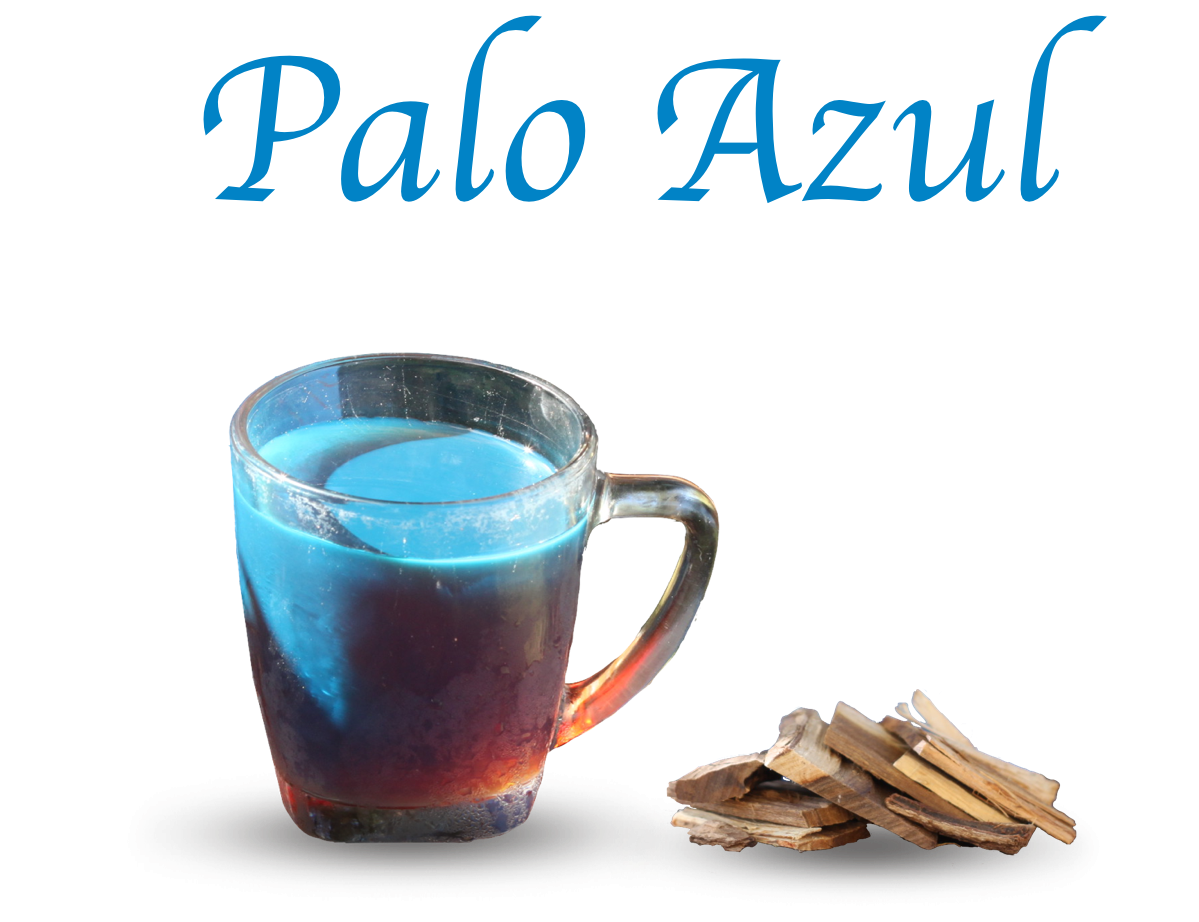
How Can Palo Azul Tea Detoxify Glyphosate?
1. Antioxidant

The previously cited 2022 review mentions that “numerous studies have suggested that the toxicological effects of GLYP (glyphosate) may be mediated via the induction of oxidative stress (30, 38, 44, 91)” and “exogenous substances can detoxify GLYP. The most common method of detoxification is to alter the organism’s antioxidant properties.”
This 2018 study showed that “UT (Uncaria tomentosa/Cat’s claw) (1.0 mg/mL) prevented the decrease of brain total thiols, the increase of lipid peroxidation in both brain and liver, and the decrease of liver GPx activity caused after glyphosate exposure. Overall, our results indicate that UT protects against damage induced by a glyphosate-based herbicide by providing antioxidant and antigenotoxic effects, which may be related to the phenolic compounds identified in the extract.”
These studies (1, 2) showed that cat’s claws total polyphenolic content was around 49.82 mg/g and its antioxidant capacity according to the DPPH IC50 assay was 10.13. As for palo azul, these study (1) showed that its total polyphenolic content was 856.50 and its antioxidant capacity (DPPH IC50) was 2.02.

This study explains that “the lower the IC50 value, the more potent is the substance at scavenging DPPH and this implies a higher antioxidant activity.” This implies that palo azul tea would have around 17 times more polyphenols and 5 times higher antioxidant capacity than cat’s claw.
This 2019 study similarly concludes that “glyphosate exposure may result in oxidative stress, which can be alleviated by enhancing the activities of antioxidant enzymes and self-detoxification.”
2. Increase Antioxidant Defenses

A 2018 study found that “GLP (glyphosate) exposure led to a significant decline in the antioxidant enzymes’ activity, namely, SOD, catalase, and GST (glutathione S-transferase) along with enhanced lipid peroxidation.”
The researchers also found that “vitamins C and E supplementation decreased oxidative stress-mediated granulosa cells apoptosis, suggesting its efficiency to diminish GLP-mediated GCs cytotoxicity and thereby, preventing associated fertility disorders. In this 2022 study performed by the same researchers, it was shown that “mitigation by both vitamin C and E was significant in combating the GLP-induced genotoxicity in granulosa cells in a concentration- and time-dependent manner.”
This study on palo azul tea actually found that the “free radical scavenging activity of EP (palo azul) showed 98.32% and ascorbic acid (vitamin C) 86.53% at the same concentrations.” Moreover, these studies (1, 2) on palo azul tea actually showed that it “significantly increased the activities of superoxide dismutase (SOD), catalase (CAT), glutathione peroxidase (GPx).”

This 2006 study which corroborates the previous studies, found that “Roundup 3 plus(®), induced significant changes in cellular antioxidant status as a glutathione depletion, enzymatic (catalase, glutathione-peroxidase and superoxide dismutase) disorders, and increased lipid peroxidation.”
The researchers also concluded that “VitC or VitE supplementation increased superoxide dismutase, glutathione-reductase and -peroxidase activities and reduced lipid peroxidation” and they “might have preventive effects against deleterious cutaneous cell damage caused by Roundup 3 plus(®).”
A 2023 study also demonstrated that “glyphosate administration led to a significant decrease in antioxidants such as catalase, superoxide dismutase, and glutathione.” We also observed a significant increase in inflammatory markers such as TNF-α, IL-6, C-reactive protein.” However, they showed that “Xylopia aethiopica (Ethiopian pepper) co-administration with glyphosate was able to ameliorate the aforementioned changes.”

Moreover, they concluded that “degenerative changes were also observed in the cerebellum, hippocampus, and cerebral cortex upon glyphosate administration. These changes were not observed in the groups treated with Xylopia aethiopica and vitamin C. Taken together, Xylopia aethiopica could possess anti-oxidative and anti-inflammatory properties that could be used in combating glyphosate neurotoxicity.”
This study showed that the antioxidant capacity (DPPH IC50) of Ethiopian pepper was 16.27 and as we previously cited, palo azul’s antioxidant capacity (DPPH IC50) was 2.02. This would imply that palo azul has around 8 times higher antioxidant capacity than Ethiopian pepper.
3. Anti-inflammatory

This 2019 found that “glyphosate exposure promoted expression of NF-κB, iNOS, IL-1β, IL-6, IL-8, and TNF-α; altered the levels of IL-10 and TGF-β, indicating that GLY exposure induced inflammatory response in the fish gills.”
In the previously cited 2023 study, the researchers “observed a significant increase in inflammatory markers such as TNF-α, IL-6, C-reactive protein” and they found that “Xylopia aethiopica (Ethiopian pepper) was able to ameliorate the aforementioned changes.”

Numerous studies (1, 2, 3) have shown that palo azul “exhibited significant anti-inflammatory activity.” These studies (1, 2, 3, 4, 5) on palo azul actually found that it “significantly inhibited the expression of TNF-α” and “decreased the serum concentration of TNF-α”. Moreover these studies (1, 2, 3, 4, 5) showed that palo azul decreased IL-6 or IL-1.
4. Protects the Liver (Hepatoprotective)

This 2019 study showed that “glyphosate-induced hepatic oxidative stress was evidenced by the increased levels of malondialdehyde, hydrogen peroxide, advanced oxidation protein products and protein carbonyls with a significant decrease in enzymatic antioxidants (superoxide dismutase, catalase, glutathione peroxidase).”
However, the researchers concluded that “quercetin supplementation to glyphosate-treated rats markedly ameliorated all the parameters indicated above as well as the liver histoarchitecture. Therefore, quercetin might have beneficial effects against glyphosate-induced hepatotoxicity in rats.”

This study actually found that palo azul and quercetin “exhibited 74% and 70.45% inhibition, respectively.” Therefore, the study concluded that palo azul’s “scavenging capacity of extract was higher than that of quercetin” and it “is a better hydroxyl radical scavenger.”
Moreover, this 2009 study concluded the following: “Roundup induced the leakage of hepatic intracellular enzymes, ALT, AST and ALP suggesting irreversible damage in hepatocytes starting from the first week. Significant time-dependent depletion of GSH levels and induction of oxidative stress in liver by the elevated levels of LPO (lipid peroxidation), further confirmed the potential of Roundup to induce oxidative stress in hepatic tissue.

This 2015 study on palo azul showed that palo azul reduced enzyme levels that cause liver damage in mice, “leading to a hepatoprotective effect.” The study concluded the following: “Palo azul has an ability to reduce oxidative stress under diabetic conditions, prevent and/or delay the onset renal, pancreatic, and hepatic damage through decreasing of lipid peroxidation, antioxidant properties, and increasing radical scavenging enzymes activity, also reduce intracellular reactive oxygen species.”
5. Protects the Kidneys (Renoprotective)

A 2019 study concluded that “resveratrol prevents oxidative stress caused by GBH (glyphosate) by preventing lipid peroxidation (LPO) and boosting the antioxidant defense system and decreases the damage in the brain, heart, liver and renal tissues.”
Resveratrol is a polyphenol, and as we’ve already cited, palo azul is incredibly rich in polyphenols. In fact, this study showed that palo azul’s polyphenols exhibited a renoprotective effect due to their ability to inhibit reactive oxygen species. Therefore, the authors concluded that palo azul “protects renal function and prevents kidney injury.”
6. Protects Against DNA Damage

This 2018 found that”glyphosate administration decreased sperm motility, sperm plasma membrane integrity, glutathione level and superoxide dismutase in the testicular tissue of rats.”
Fortunately, they also found that “resveratrol protects spermatological parameters and DNA damage, decreases glyphosate-induced lipid peroxidation, improves the antioxidant defence mechanism and regenerates tissue damage in the testis of rats.”
This study also showed that DNA damage is caused by hydroxyl radicals, and palo azul “is a better hydroxyl radical scavenger than the standards BHT, Trolox and mannitol.” Lastly, this study found that palo azul demonstrated “protection against lipid peroxidation” which can cause DNA damage.
8 Toxic Effects From Glyphosate
1. Liver & Kidney Damage

This 2022 review cites a study which found that “after exposing rats to GLYP (glyphosate), the liver shows pathological damage and an inflammatory response with the elevated lipid peroxidation (LPO) and reduced enzymatic and nonenzymatic antioxidant activities (17).”
They also mention that “GLYP can cause liver and kidney damage through oxidative stress (43) and it can cause pathological damage to liver and kidney.”
Moreover, they describe that “GLYP also increases the levels of plasma urea and creatinine (CRE) and uric acid in rats, resulting in kidney damage (18)” and “GLYP exposure can also cause kidney damage in goldfish (20).”
Another 2022 study concluded that “exposure to glyphosate and hard water at both high doses and environmentally relevant doses causes renal dysfunction in mice.”
2. Disrupts Gut Microbiota & Celiac Disease

A 2019 study concludes that glyphosate “can cause dysbiosis, a phenomenon which is characterised by an imbalance between beneficial and pathogenic microorganisms. The overgrowth of bacteria such as clostridia generates high levels of noxious metabolites in the brain, which can contribute to the development of neurological deviations.”
This 2021 study explains how glyphosate-induced dysbiosis negatively impacts fertility: “Glyphosate can result in gut microbiota dysbiosis and the latest research has shown an association between gut microbiota alteration and defective spermatogenesis. Data showed that GLY-exposed rats exhibited male reproductive dysfunction, evidenced by impaired testis architectural structure, reduced sperm motility, together with increased sperm malformation ratio.”

Moreover, a 2013 study explains that celiac disease is “a growing problem worldwide, especially in North America and Europe, where an estimated 5% of the population now suffers from it” and they propose that “glyphosate, the active ingredient in the herbicide, Roundup(®), is the most important causal factor in this epidemic.”
The authors also mention that “fish exposed to glyphosate develop digestive problems that are reminiscent of celiac disease. Celiac disease is associated with imbalances in gut bacteria that can be fully explained by the known effects of glyphosate on gut bacteria.”
Alarmingly, this 2023 study showed that “glyphosate exposure at doses approximating the U.S. ADI (acceptable daily intake) significantly impacts gut microbiota composition. These gut microbial alterations were associated with effects on gut homeostasis characterized by increased proinflammatory markers.”
3. Neurotoxicity

This 2022 review cites the following studies: “Pesticide exposure has been linked to the development of neurodegenerative diseases (33).”
“After treating maternal rats during pregnancy and lactation with 3.6 g/L Roundup, there was glutamate excitotoxicity and oxidative stress in the hippocampus (35).
“GLYP significantly reduced the content of dopamine and norepinephrine in the striatum, hypothalamus, hippocampus, and midbrain. This action can result in neurotoxicity or impaired cognitive behavior (36).”
The authors of the review concluded that “exposure to GLYP leads to degenerative brain changes in nontarget organisms.”
Another 2022 review explains the biological mechanisms of glyphosate’s neurotoxicity:
“Exposure to glyphosate could induce several toxic effects on the nervous system. Glyphosate also seems to exert a significant toxic effect on neurotransmission. The results analyzed herein reflect the capacity of glyphosate to induce oxidative stress, neuroinflammation, and mitochondrial dysfunction, processes that lead to neuronal death by autophagia, necrosis, or apoptosis, as well as the appearance of behavioral and motor disorders.

Alarmingly, they found that “the doses of glyphosate that produce these neurotoxic effects vary widely but are lower than the limits set by regulatory agencies.”
Another 2019 study explains how glyphosate can cause brain damage: “In addition to its ability to disrupt the barrier function, GPH (glyphosate) show evidence of permeability across the BBB (blood brain barrier). Exposure to high level of GPH may result in neurological damage via an opening of the blood-brain barrier and an alteration of glucose metabolism.”
A 2022 study which corroborates the previous study also concluded that “glyphosate is capable of infiltrating brain tissue, and that exposure results in increased levels of the pro-inflammatory cytokine TNFα.”
Moreover, they found that “brain glyphosate correlates with increased TNFα levels, suggesting that exposure to this herbicide may trigger neuroinflammation in the brain, which may induce changes that are seen in neurodegenerative disorders” and “glyphosate dosages similar to those we detected in the mouse brain in vivo are capable of increasing Aβ40-42 levels
Aβ plaques are one of the two lesions in the brain that define the neuropathological diagnosis of Alzheimer’s disease.
This 2020 study also showed that “glyphosate induced cytotoxic effects on neuronal development, oxidative stress and cell death via apoptotic, autophagy and necrotic pathways.”
4. Reproductive Toxicity & Reduces Fertility

A 2022 review cited the following studies:
“A study treated male Sprague-Dawley rats with 5, 50, or 500 mg/kg b.w. GLYP (glyphosate) for 5 weeks, after which there were reduced sperm counts and seminal vesicle and glandular weights in the 500-mg/kg b.w. group (37).”
“GLYP reduced the testosterone level, sperm motility, and sperm count in male Wistar rats after 52 days of treatment at 5 mg/kg b.w. (39).”
5. Oxidative Stress

This 2020 review mentions that “evidence shows that glyphosate-based herbicides exhibit cytotoxic and genotoxic effects, increase oxidative stress, disrupt the estrogen pathway, impair some cerebral functions, and allegedly correlate with some cancers.”
6. Decrease Antioxidant Enzymes & Increase Lipid Peroxidation

This 2022 review cites the following studies:
“In the liver, ALT, AST, lactate dehydrogenase, and MDA levels were significantly increased, while SOD, GPx, and glutathione reductase (GR) activities were significantly decreased (20).”
“In fish liver, GLYP exposure increases protein carbonylation (PC), glutathione S-transferase (GST), reduced glutathione (GSH), and ascorbic acid (ASA) levels and decreases superoxide dismutase (SOD) activity (19).”
The authors of the review concluded that “in summary, exposing whole organisms to GLYP causes damage to antioxidant enzymes.”
A 2019 study showed that glyphosate “inhibited the activities of SOD, CAT, GPx, GR, and T-AOC; reduced the contents of GSH, but remarkably promoted MDA and PC contents, suggesting that GLY exposure induced oxidative stress and lipids and proteins damage in the carp gills.”
Another 2019 study exposed organisms to sub-lethal concentrations and found that “the MDA level increased significantly (p < 0.05). The GSH level, the AChE, the CAT, SOD, and the GPx activities decreased.”
This 2018 study also exposed shrimp to sublethal concentrations and found that “the level of superoxide dismutase (SOD), catalase (CAT) and total antioxidant capacity (T-AOC) in all the treatments decreased in a dose- and time-dependent manner.” Moreover, they found that “the malondialdehyde (MDA), hydrogen peroxide (H2O2) and protein carbonyl in serum increased significantly. The analysis of the integrated biomarker response (IBR) showed the induction of oxidative stress biomarkers and the inhibition of antioxidants.”
7. Inflammation

A 2020 study showed that “glyphosate effects on the immune system appear to increase the production of pro-inflammatory cytokines in fish. In mammals, including humans, glyphosate mainly has cytotoxic, genotoxic effects, and causes inflammation.”
This 2019 study found that “glyphosate remarkably increased the relative mRNA expression levels of Nrf2. Glyphosate increased the mRNA expression levels of IL-6.”
Similarly, this 2020 study found that “the mRNA expression levels of IL-1β, IL-6, TNF-α, MAPK3, NF-κB, and Caspase-3 were increased after glyphosate exposure.”
8. DNA Damage

A 2022 review cites the following studies:
“GLYP significantly increases primary DNA damage and lowers thiobarbituric acid reactive substances (TBARSs) in rat liver (26).”
“GLYP-mediated oxidative stress could destroy the oxidation and antioxidation balance to cause damage to lipids, DNA, and proteins and further lead to cell death and apoptosis. Roundup for 28 days showed a significant increase in primary DNA damage to hepatocytes and leukocytes at all tested concentrations (26).”
This 2019 study showed that “glyphosate induced DNA damage and provoked histopathological changes in rats’ liver.”
A 2018 study also showed that “oxidative stress and DNA damage are involved in the glyphosate-based herbicide toxicity.”
Lastly, this 2022 study explains that glyphosate’s “damaging effects were mediated by destruction of mitochondrial distribution and functions, which induced ROS accumulation and oxidative stress.”
Banning Glyphosate

Considering all the evidence of glyphosate’s toxicity, it begs the question of whether we should allow this herbicide to be sprayed on our food and land. In fact, the following 33 countries have already placed bans on glyphosate (2):
Argentina; Australia (in some states); Belgium; Bermuda; Bahrain; Barbados; Brazil; Canada (8 out of 10 provinces); Colombia; Costa Rica; Czech Republic; Denmark; El Salvador; Fiji; France; Germany; India; Italy; Luxembourg; Malta; Netherlands; Oman; Qatar; St. Vincent and the Grenadines; Saudi Arabia; Portugal; Scotland; Slovenia; Spain; Sri Lanka; Thailand; Vietnam; Austria.
The U.S. currently ranks #2 in the world’s highest pesticide users and China is #1 (3).
According to the Environmental Health News, Bayer, which acquired Monsanto for $63 billion in 2018, said that they would pay “$11 billion to settle about 100,000 existing Roundup cancer claims” and they would set aside another $4.5 billion toward Roundup litigation liability.”
According to the EPA, the glyphosate “MCL (maximum Contaminant Level) has been set at 0.7 ppm because EPA believes, given present technology and resources, this is the lowest level to which water systems can reasonably be required to remove this contaminant should it occur in drinking water.” They even mention that “glyphosate has the potential to cause the following effects from a lifetime exposure at levels above the MCL: kidney damage, reproductive effects.”
Conclusion

There are plenty of organic herbicides composed of active ingredients such as acetic acid (vinegar), citric acid, essential oils, and D-limonene (terpene derived from citrus fruits). So why are we still using glyphosate? It might have something to do with the millions of dollars that Monsanto (4) and Bayer (5) have spent lobbying the U.S. government. It seems that until our elected representatives decide to put the interests of the people before those of the corporations who influence their decisions with money, we have no choice but to attempt to avoid and mitigate glyphosate toxicity by choosing all organic certified foods and consuming powerful antioxidants such as palo azul tea.

Sources
Palo azul is also known as: Eysenhardtia polystachya (E. polystachya, E.P), Cyclolepis genistoides (C. genistoides), kidney wood and palo dulce
Evaluation of antidiabetic, antioxidant and antiglycating activities of the Eysenhardtia polystachya
Screening Anti-Inflammatory Effects of Flavanones Solutions
(2006) Glyphosate-induced antioxidant imbalance in HaCaT: The protective effect of Vitamins C and E
(2009) Oxidative stress responses of rats exposed to Roundup and its active ingredient glyphosate
(2022) Oxidative Stress and Metabolism: A Mechanistic Insight for Glyphosate Toxicology
(2016) Glyphosate induces neurotoxicity in zebrafish
(2019) Biochemical and molecular impacts of glyphosate-based herbicide on the gills of common carp
WHO: IARC Monograph on Glyphosate
(2020) The impact and toxicity of glyphosate and glyphosate-based herbicides on health and immunity
Environmental Health News: Glyphosate, explained
EPA: Consumer Factsheet on: GLYPHOSATE
33 countries ban the use of Glyphosate – the key ingredient in Roundup
(2022) Toxic Effects of Glyphosate on the Nervous System: A Systematic Review
(2019) Gut microbiota and neurological effects of glyphosate
(2021) Glyphosate-induced gut microbiota dysbiosis facilitates male reproductive toxicity in rats
(2013) Glyphosate, pathways to modern diseases II: Celiac sprue and gluten intolerance
(2023) Low-dose glyphosate exposure alters gut microbiota composition and modulates gut homeostasis
(2022) Melatonin ameliorates renal dysfunction in glyphosate- and hard water-treated mice