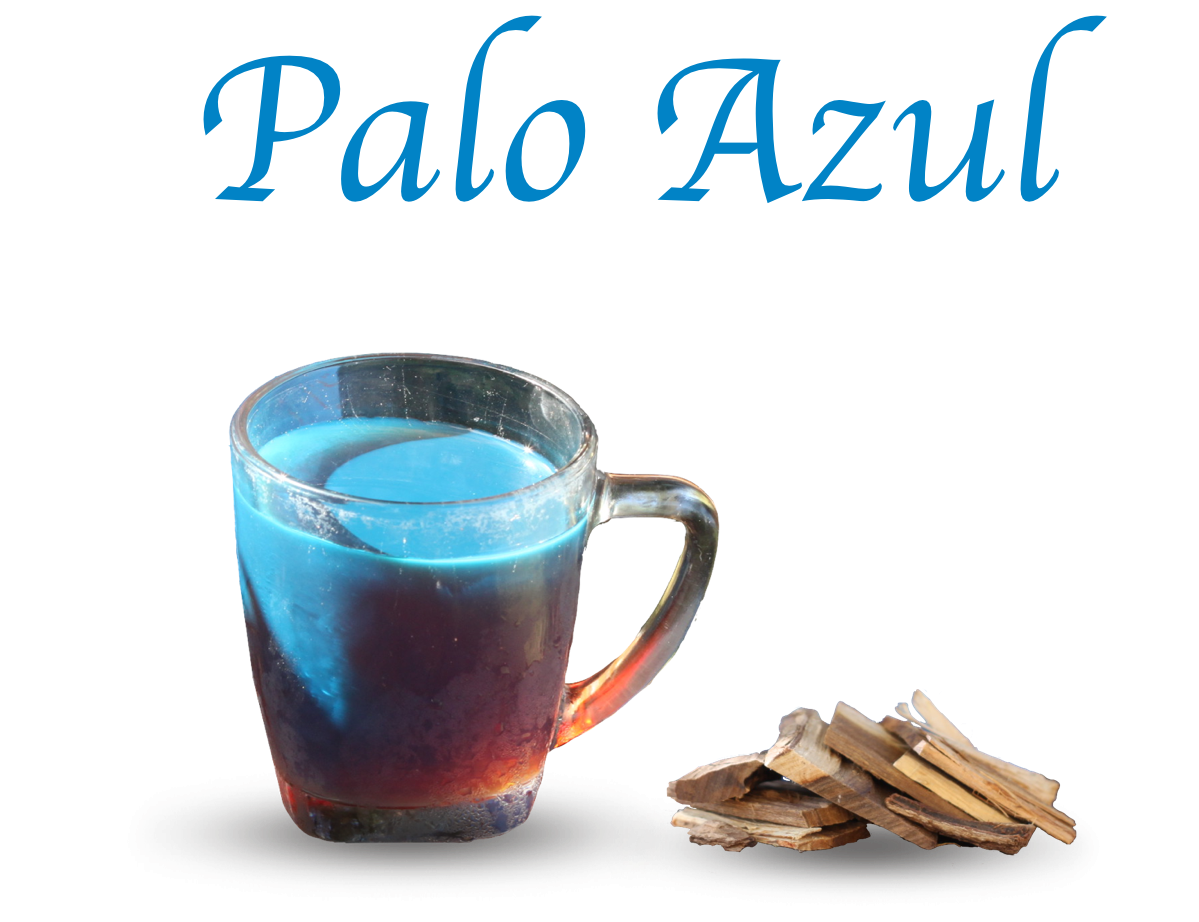

Gout is an inflammatory condition that affects millions of people around the world. Clinical studies mention that it is primarily caused by accumulation of uric acid crystals in the joints, inflammation, and metabolic syndrome. Many studies on palo azul tea have shown that it reduces uric acid levels, inflammation, and it has numerous beneficial effects against metabolic syndrome because it is anti-diabetic, antioxidant, and anti-hyperlipidemic.
1. Anti-Xanthine Oxidase

Due to all of palo azul’s beneficial properties, this 2015 study concluded the following:
“(Palo azul) showed good anti-XO (xanthine oxidase) activities. The inhibition percentage by (palo azul) on XO is comparable to that allopurinol, is a therapeutic drug used to treat gout, which also suffers from many side effects such as hypersensitivity syndrome.”
Allopurinol is in a class of medications called xanthine oxidase inhibitors. Allopurinol is used to treat gout (a type of arthritis in which uric acid, a naturally occurring substance in the body, builds up in the joints and causes sudden attacks of redness, swelling, pain, and heat in one or more joints).
Xanthine oxidase is the enzyme required to produce uric acid by the breakdown of purine nucleotides. Gout is a common condition that occurs due to elevated uric acid production via this mechanism. As a result, many drugs have been formed to combat gout, by inhibiting xanthine oxidase enzyme activity.
2. Lowers Uric Acid

A 2008 study mentions that “the plant (palo azul) has been used in traditional treatments of nephrolithiasis or urolithiasis, lumbalgia, arthritis, rheumatism, sciatica, and as blood depurative because it eliminates uric acid, of which application the palo azul derives its diuretic and antirheumatic fame.”
This study also found that uric acid indices were significantly higher in the group of diabetic mice that did not receive the palo azul extracts compared to the control group.
Lastly, the researchers concluded the following: “Groups treated with the dihydrochalcone (palo azul’s flavonoid) showed a significantly decreased uric acid.”

According to the Mayo Clinic, “gout occurs when urate crystals accumulate in your joint, causing the inflammation and intense pain of a gout attack. Urate crystals can form when you have high levels of uric acid in your blood.”
Similarly, the Cleveland Clinic states that “gout is a painful form of arthritis. When your body has extra uric acid, sharp crystals can form in your joints.”
This 2019 describes the importance of lowering uric acid to manage gout: “Elevated serum urate level (hyperuricaemia) is the major risk factor for MSU crystal deposition and development of gout. Sustained reduction in serum urate levels using urate-lowering therapy is vital in the long-term management of gout.”
3. Anti-inflammatory

This 2016 explains that “gout is a progressive, painful, debilitating form of inflammatory arthritis. It is caused by factors that elevate the concentration of serum uric acid (sUA), leading to hyperuricemia. Continued elevated sUA can result in monosodium urate (MSU) crystal deposition in joints and soft tissues, and can cause acute and chronic inflammation.”
Numerous studies have shown palo azul’s powerful anti-inflammatory activity. For example, this 2015 concluded that “palo azul exhibited significant anti-inflammatory activity in all the trials of paw and ear edema induced exhibiting also anti-arthritic activity.”
This study concluded that palo azul had a “significantly dose-related anti-arthritic activity in M. tuberculosis-induced adjuvant arthritis test in rats, which is considered close to simulating human rheumatoid arthritis.”

This study describes the specific inflammatory cytokines which trigger gout: “The acute symptoms of gout are triggered by the inflammatory response to monosodium urate crystals. Innate immune pathways are of key importance in the pathogenesis of gout, in particular the activation of the NLRP3 inflammasome, which leads to the release of IL-1β and other pro-inflammatory cytokines.”
This 2021 study actually showed that flavanones in palo azul “inhibited the production of IL-1β and IL-6” and the study concluded that “these flavanones ameliorate edema and trigger downregulation of the pro-inflammatory cytokines TNF-α, IL-1β, and IL-6.”

This 2018 study explains the specific anti-arthritic biological mechanisms of palo azul’s flavonoids:
“We evaluated the anti-arthritic and antinociceptive properties of an ethanolic extract of E. polystachya (palo azul) bark and its rich-flavonoids fractions in murine models. Many plant constituents, including flavonoids, have proven effective against arthritis by reducing cartilage degradation, diminishing leukocyte infiltration in the synovial space, decreasing serum cytokine levels, and other mechanisms.”

Cartilage degradation, or Osteoarthritis, occurs when the cartilage that cushions the ends of bones in your joints gradually deteriorates.
Leukocyte infiltration contributes to the development of tissue injury associated with inflammatory diseases. Leukocytes are activated to secrete a variety of substances such as growth factors, chemokines and cytokines, which are considered to be one of the primary sources of the tissue injury.
Cytokines are involved in the up-regulation of inflammatory reactions.
In other words… flavonoids showed the ability to reduce bone deterioration and tissue injury because of their anti-inflammatory activity.
4. Antioxidant, Anti-diabetic Anti-hyperlipidemic

This 2020 found that “Eucalyptol alleviates MSU-induced pain and inflammation via mechanisms possibly involving anti-oxidative effect. Eucalyptol and other antioxidants may represent promising therapeutic options for gout arthritis.”
Numerous studies have shown that palo azul’s antioxidant capacity is around 8-26 times higher than green tea because it’s very rich in polyphenols.
This 2014 study concluded that “(palo azul) possesses considerable antioxidant activity with reactive oxygen species (ROS) scavenging activity and demonstrated an anti-AGEs and hepatoprotective role, inhibits hyperglycemic, hyperlipidemic and oxidative stress indicating that these effects may be mediated by interacting with multiple targets operating in diabetes mellitus.”

Moreover, a 2022 study mentions that “gout is well known as an inflammatory rheumatic disease presenting with arthritis and abnormal metabolism of uric acid” and provides 2 ways to manage gout: “(1) Reducing nutritional risk factors against metabolic syndrome; (2) Supplementing with beneficial nutrients to affect uric acid metabolism and gouty inflammation.
Metabolic syndrome is a cluster of conditions that occur together, increasing your risk of heart disease, stroke and type 2 diabetes. These conditions include increased blood pressure, high blood sugar, excess body fat around the waist, and abnormal cholesterol or triglyceride levels.
This 2013 study actually mentions that “palo azul has been reported to exhibit many physiological effects that contribute to the prevention of metabolic syndromes.”
Another 2020 study on palo azul corroborates the previous study and concluded the following: “According to the research conducted by the Japan Society of Clinical Nutrition, the trend of anti-obesity, anti-atherosclerosis, and blood glucose-lowering effects of Palo Azul has been confirmed. There is also a possibility that it affects waist circumference, triglycerides, HDL cholesterol, adiponectin, and so on. Therefore, it is expected to have a preventive effect on metabolic syndrome.”

Additionally, this 2014 study which evaluated palo azul’s antioxidant and anti-diabetic properties found that palo azul’s extract “showed a significant decrease of body weight in diabetic rats and produced significant loss in body weight as compared to normal animals during the study.” Moreover, they found that palo azul “reduced the blood glucose, body weight, glycogen, HDL, levels of triglyceride and cholesterol.”
Lastly, a 2021 study concluded that palo azul “had good antidiabetic potential and could be an appropriate nanomedicine to prevent the development of diabetes.”
Here we linked to our articles which summarize palo azul’s beneficial properties for diabetes, blood pressure, cardiovascular disease, cholesterol, and weight loss.
Conclusion
In summary, palo azul can help to imrove gout symptoms because it inhibits xanthine oxidase, reduces uric acid levels, it’s anti-inflammatory, anti-oxidant, and anti-diabetic. Due to these properties, palo azul is able to inhibit the formation of uric acid crystals by inhibiting inflammation and metabolic syndrome.

Studies
Palo azul is also known as: Eysenhardtia polystachya (E. polystachya, E.P), Cyclolepis genistoides (C. genistoides), kidney wood and palo dulce
(2021) Screening Anti-Inflammatory Effects of Flavanones Solutions
Overview of Serum Uric Acid Treatment Targets in Gout: Why Less Than 6 mg/dL?
Inflammation in gout: mechanisms and therapeutic targets
Gout and Diet: A Comprehensive Review of Mechanisms and Management
Diagnosis, treatment, and prevention of gout
Eucalyptol alleviates inflammation and pain responses in a mouse model of gout arthritis
Mayo Clinic: Metabolic Syndrome
Biochemistry, Xanthine Oxidase
The role of leukocytes in tissue injury
Cytokines, Inflammation and Pain