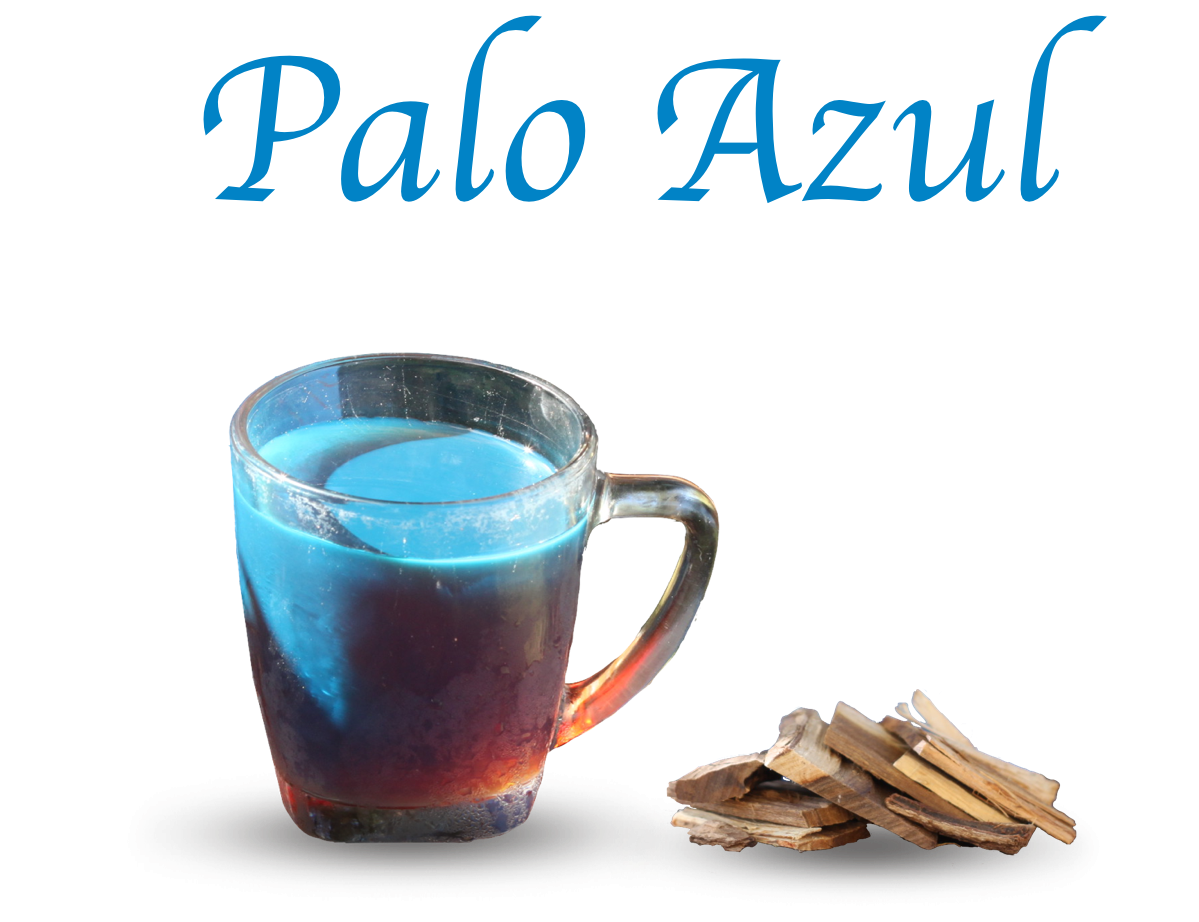

People have been drinking palo azul tea for centuries to promote kidney health. In fact, palo azul is commonly known as “kidney wood” or “kidney tea” because of its popularity for kidney health. Recently, numerous studies have demonstrated that palo azul’s beneficial effects on the kidneys are due to its antioxidant, anti-inflammatory, diuretic, alkalinizing and anti-diabetic properties.
For example, this 2019 concluded that “(palo azul extract) attenuated the renal damage in diabetic mice by inhibiting AGEs formation. Our findings suggest that the treatment with dihydrochalcone (palo azul extract) protects renal function and prevents kidney injury.”
This 2014 study also concluded that “(palo azul) prevents oxidative stress, acts as a suppressor of liver, kidney and pancreas cell damage and inhibits the progression of dysfunction induced by chronic hyperglycaemia.”
A 2002 study in adults with history of urinary stones found that palo azul “significantly lowered growth rate and nucleation rate of calcium oxalate crystals (kidney stones)” and the researchers concluded that palo azul “showed significant dose dependent protection against urolithiasis.”
Urolithiasis: the formation of stones (calculi) in the kidney, bladder, and/or urethra.

1. Antioxidant
A 2022 study found that palo azul “significantly reduced oxidative damages in both the kidneys and the liver, and such effect has been related to the high antioxidant capacity of the characterized phytochemicals.”
“Phyto” means “plant”, and phytochemicals are micronutrients (flavonoids, polyphenols, etc) produced by plants to fight off infections, oxidative stress and inflammation.
Another 2022 study even mentions that several types of phytochemicals have been found in palo azul, including “polyphenols, flavonoids, phytosterols, saponins, alkaloids, and terpenoids, which could be effective in preventing the process of stone formation.”

A 2021 study which supports these findings mentions that “palo azul is used in traditional medicine for the treatment of kidney diseases, bladder infections and diabetes mellitus.”
The researchers also found several phytochemicals in palo azul such as “flavones, isoflavones, flavanones, phenolic compounds, chalcones, dihydrochalcones” which have been linked to its health benefits, highlighting “diuretic, antidiabetic, antiglycation, antioxidant, anti-inflammatory, antimicrobial potential.”

A quote from this 2007 review demonstrates the beneficial effects of palo azul’s phytonutrients: “A significant decrease in urinary stone size was observed in animals treated with palo azul’s isoflavones (antioxidants).” The researchers concluded that palo azul’s phytonutrients “may surely help in decreasing the recurrence rate of renal calculi.”
This 2022 study explains why antioxidants and anti-inflammatories are key for preventing kidney stones:
“Among the molecular mechanisms involved in the formation of urinary stones are inflammation and oxidative damage caused by oxidative stress (OS). During OS, there is an increase in the levels of reactive oxygen species (ROS) and a decreased antioxidant system. It is known that inflammation and OS facilitate crystal adhesion to renal tubular cells and crystal formation, promoting kidney stone development. Excessive levels of ROS are important for cellular signaling, including the activation of pro-inflammatory genes expression and impaired endothelial function.”
In other words…antioxidants are beneficial for preventing kidney stones because they inhibit inflammation, oxidative stress and ROS, which can facilitate stone formation.

This 2021 study found that palo azul tea “can reduce the oxidative stress caused by the imbalance between reactive oxygen species (ROS) because of its free radical scavenging activity.“
A 2019 study mentions that “hyperglycemia, oxidative stress, and dyslipidemia are the main causes of increased advanced glycation end products (AGEs) and contribute to the development of DN (diabetic nephropathy) in diabetes. The generation of AGEs promotes kidney damage by protein cross linking, leading to changes in structure and function of the proteins.”
In addtion, this 2023 study mentions that palo azul’s “polyphenolic compounds provide antioxidant, anti-inflammatory, antimicrobial, hepatoprotective, and analgesic activities” and therefore, “it is also used for the urinary system, from infections to kidney stones.”
2. Antilithiatic

A 2008 study tested palo azul’s bark for its “antilithiatic and diuretic activity” and the researchers mention that “a significant decrease in the weight of stones was observed after treatment in animals that received aqueous extract.”
This 2018 study also mentions that palo azul “has shown diuretic and antilithiatic effects, moderate antibacterial effects against Streptococcus mutans, anti-diabetic and antioxidant activity, and antifungal activity.”
Antilithiatic is the technical term for preventing the formation of, or relieving the symptoms of kidney stones.
This 2004 study found that palo azul’s “isoflavones (antioxidants) showed a marked inhibitory activity on crystal aggregation.” The researchers concluded that palo azul’s extracts “work as inhibitors in the formation and crystal growth of calcium oxalate (kidney stones), reducing the degree of aggregation and the size of particles precipitated.”
Calcium oxalate crystals are the most common cause of kidney stones. These crystals are made from oxalate — a substance found in foods like green, leafy vegetables — combined with calcium. A 2007 review mentions that “calcium-containing stones are the most commonly occurring ones to an extent of 75-90% followed by magnesium ammonium phosphate (Struvite) to an extent of 10-15% and uric acid 3-10%.”
3. Litholytic & Antispasmodic

A 2022 study explains the biological mechanisms of palo azul’s beneficial effects on kidney stones:
“Evidence suggests that (palo azul’s compounds) beneficial effects might be associated with litholytic, antispasmodic, and diuretic activities, as well as an inhibitory effect on crystallization, nucleation, and aggregation of crystals (kidney stones). The molecular mechanisms involving these effects could be related to antioxidant, anti-inflammatory, and antimicrobial properties.”
Litholytic is the technical term for the dissolution of kidney stones or gall stones.
Antispasmodics relax the smooth muscle of the ureters and have been shown to hasten stone passage by five to seven days. They relax the muscles in your ureter, helping you pass the kidney stone more quickly and with less pain.
Crystallization is the formation of crystals in the kidney. This is normal and harmless provided that they are excreted with the urine. The problem is when the crystals stay behind in the kidneys.
Nucleation of stone constituent crystals is a mechanism of stone formation.
Aggregation is another mechanism of stone formation in which there is agglomeration of crystals that form into larger multicomponent particles.
In other words…palo azul’s compounds helped to dissolve kidney stones, inhibit stone formation, and relax the ureter muscles to facilitate the passing of the stones.

The researchers of this 2002 study explain similar mechanisms: “The isolated isoflavones from E. polystachya (palo azul) work as inhibitors in the formation and crystal growth and may protect against stone formation by reducing the degree of aggregation and the size of particles precipitated.”
The researchers concluded that “palo azul can be recommended as a preventive medicine in renal stone formation.”

4. Alkaline
Several sources also mention that alkalinity is beneficial for dissolving kidney stones because the stones themselves are acidic.
A book about botanical medicine mentions the following: “If prone to acidic, overly concentrated urine, associated kidney stones and urinary tract sediment then Kidneywood (palo azul) will be of use. Because of the plant’s alkalinizing nature, acidic precipitants dissolve back into the urine, thereby reducing pain and urinary tract irritability associated with lithic deposits.
Moreover, a 2007 study did an extensive 77 page analysis on palo azul and found that it has electrolytes that makes palo azul slightly alkaline. Therefore, the researchers found that palo azul “decreases the acidity of urine.”
A 2011 study also mentions that “for prevention of calcium oxalate, cystine, and uric acid stones, urine should be alkalinized by eating a diet high in fruits and vegetables or drinking alkaline mineral waters.”
A 2013 study which corroborates these findings, suggests that “ingestion of vegetables high in organic anion content, such as citrate and malate, should be associated with higher urine pH and fewer stones because the amino acid cystine is soluble in more alkaline urine.”
5. Antibacterial

Another one of palo azul’s beneficial properties for treating alleviating kidney pain is its antibacterial activity.
In fact, a 2009 study showed that “palo azul was active against S. epidermidis, Proteus vulgaris, Enterbacter aerogenes and S. aureus. These are the most frequent causal agents of urinary tract infection.”
A 2022 study explains that “urinary tract infections (UTI) are common ailments, mainly caused by bacteria such as Escherichia coli” and this 2018 study found that palo azul “showed good antimicrobial effects in E. coli.”

The previously cited 2007 study also found that palo azul’s “flavonones have been identified with antibacterial and antifungal activity.” Because of this, recent studies have “evaluated the effect of isoflavones isolated from the bark of palo azul on the growth of urinary crystals confirming the use of the plant in urolithiasis (formation of kidney stones).”
Therefore, the researchers concluded that palo azul is used for “kidney problems, urinary tract pains, kidney calculi, and as a deflamatory.”
6. Anti-Diabetic

Many studies have demonstrated that palo azul is anti-diabetic because it improved insulin resistance and blood glucose levels. This 2022 study explains that “diabetes is a risk factor for chronic kidney disease, and diabetic nephropathy is the most common cause of end-stage renal disease.”
Nephropathy is the deterioration of kidney function. The final stage of nephropathy is called kidney failure, end-stage renal disease.
This 2019 study explains that “in diabetes, the excess of glucose in blood reacts with hemoglobin to form HbA1C, which is an early glycosylation adduct, and with time undergoes complex and slow rearrangements to generate AGEs.” They found that “HbA1C significantly decreased in groups treated with (palo azul extract).”

Furthermore, they write that “in diabetes, hyperglycemic condition leads to excessive accumulation of AGEs participating in the pathogenesis of diabetic nephropathy. Groups treated with dihydrochalcone (palo azul extract) showed attenuation in AGEs formation in kidney in comparison to the diabetic control group by 47.73%.”
The authors concluded the following: “(Palo azul) is able to block the accumulation and formation of AGEs in kidney in nephropathy model streptozotocin induced diabetic mice. Reduction of the formation of AGEs is considered a potential therapy in diabetic nephropathy. Oral administration of (palo azul extracts) act as AGE-inhibitors near the normal levels as well as AGE-breakers, reducing the serum AGE level and delay the progression of diabetic nephropathy.“
This 2007 study similarly concluded that “there is considerable evidence that chronic hyperglycemia is the proximate cause of retinopathy, kidney failure” and “the enhanced activities of the antioxidant enzymes promoted by (palo azul) protect against STZ-induced damage; therefore, hyperglycemia does not develop.”
7. Lowers Blood Pressure

Several studies suggest that palo azul can lower blood pressure. This 2021 study mentions that palo azul is used as a “hypotensive”, meaning that it lowers blood pressure.
This 2022 study explains the mechanisms by which high blood pressure can cause kidney damage:
“The kidney has self-regulating mechanisms to dampen fluctuations in systemic blood pressure to avoid an increase in intraglomerular pressure. However, at constant high blood pressure, these kidney mechanisms fail because the incoming vessels become weaker, stiffer, or thinner, and a phenomenon called myogenic reflex occurs. As proteins accumulate in the tubules, they activate profibrotic, proinflammatory, and cytotoxic pathways, causing tubulointerstitial damage and kidney scarring.”
The myogenic response is the reflex response of the afferent arterioles to changes in blood pressure. Increased blood pressure increases the tension in the vascular wall, and the vascular smooth muscle contracts.
Profibrotic: thickening or scarring of the tissue.
Kidney scarring, often known as fibrosis, is a major cause of kidney illnesses. Kidney scarring can be brought on by diabetes, high blood pressure, autoimmune illnesses and persistent infections.
8. Inhibits Lipid Peroxidation

This 2014 study found that “diabetic mice showed a significant reduction in SOD, CAT, GSH and GPx in hepatic, pancreatic and renal tissues” and “levels of these enzymes reverted close to normal values after treatment with EP extract (palo azul).”
Glutathione peroxidase (GPX), superoxide dismutase (SOD) and catalase (CAT) are the most important enzymes of the cell antioxidant defense system.
This 2016 study similarly concluded the following: “There was a significant increase of lipid peroxide in the liver, kidney, and pancreas in diabetes mice. However, the administration of (palo azul extracts) improved these levels in the treated groups with respect to the diabetic control group. The production of ROS including hydroxyl, superoxide anions and hydrogen peroxide, nitric oxide, DPPH, ABTS radicals, protein oxidation, and lipid peroxidation can be enhanced by treatment with (palo azul), and increases in radical scavenging enzymes of CSH-Px, SOD, GSH, and CAT have also been observed in liver, pancreas, and kidney in the group of diabetic animals treated.”

Moreover, the researchers write that “consistent with this finding, decreased activities of antioxidant enzymes, such as GSH, SOD, GST, and GPx, and a marked increase in the concentration of TBARS indicate increase lipid peroxidation leading to decrease of the antioxidant defense mechanisms to avoid overproduction of ROS which leads to tissue injury.”
They found that “supplementation to diabetic mice with the isolated compound (palo azul extracts) resulted in a significant diminution in lipid peroxidation levels, in liver and kidney compared with diabetic control, and the observed reduction of TBARS towards normal levels.”

The authors explain that “TBARS levels are an index of oxidative stress and endogenous lipid peroxidation which intensifies with increasing free radicals production.”
They concluded the following: “Our data indicates that the bark of Eysenhardtia polystachya (palo azul) has an ability to reduce oxidative stress under diabetic conditions, prevent and/or delay the onset renal, pancreatic, and hepatic damage through decreasing of lipid peroxidation, antioxidant properties, and increasing radical scavenging enzymes activity, also reduce intracellular reactive oxygen species, and they consequently could alleviate complications of diabetes.”
This 2014 study similarly mentions that “(palo azul) contains a high amount of flavonoids and phenolics, possesses considerable antioxidant activity with ROS scavenging activity and has the ability to reduce lipid peroxidation. It also has iron chelating, TEAC and DPPH activities and we also have proven that the oral administration of (palo azul) could decrease oxidative stress associated with diabetes mellitus in the liver, pancreas and kidney, enhancing the generation of typical antioxidant enzymes.”
9. Diuretic

Numerous studies have shown that palo azul is diuretic, and this 2007 study on palo azul mentions that “diuretics constitute an indispensable group of therapeutic drugs used to adjust the volume and/or composition of body fluids in various clinical situations, including hypertension, acute and chronic heart failure, acute and chronic renal failure, as well as nephrotic syndrome and liver cirrhosis.”
The authors concluded the following: “This will serve as a basis for (palo azul’s) continued use as a therapeutic alternative in numerous pathological processes that are treated with diuretics such as hypertension, heart failure, renal failure, nephrotic syndrome and liver cirrhosis.”
Interestingly, this 2016 study found that “(palo azul) induces an increase on urinary excretion of water and sodium, but with the advantage of a potassium-saving effect” and “this effect should be viewed as a favorable feature of the extract in regards to electrolyte excretion.”
This essentially means that it flushes out toxins without electrolyte loss during urination because it spares potassium…as opposed to regular diuretics like coffee and green tea.
10. Reno-protective & Nephroprotective

This 2019 study concluded the following: “Our findings suggest that the treatment with dihydrochalcone (palo azul extract) protects renal function and prevents kidney injury in STZ-nicotinamide induced diabetic nephropathy, ameliorated markers of DN, as well as inflammation, HbA1C, AGE-inhibition in kidneys and circulation. The renoprotective effect of dihydrochalcone isolated from Eysenhardtia polystachya (palo azul) might be associated in part to its ability to react with reactive carbonyl species and cleavage of pre-formed AGEs within the kidney by a cross-link breaker inhibiting AGEs-formation.”
Reactive carbonyl species (RCS) are molecules with highly reactive carbonyl groups, and often known for their damaging effects on proteins, nucleic acids, and lipids.
11. Anti-inflammatory & Reduces Uric Acid
This 2019 study mentions that “the development of diabetic nephropathy can be detected by the elevated level of kidney index indicators such as uric acid, serum urea, BUN, and creatinine.”
They found that “these renal indexes were significantly higher in the STZ-induced diabetic mice group (DN) in comparison with normal control. Groups treated with the dihydrochalcone (palo azul extract) showed a significantly decreased in kidney index in comparison to DN control group such as BUN, creatinine, uric acid, urea and urine protein in a dose dependent manner.”

Proteinuria is increased levels of protein in the urine. This condition can be a sign of kidney damage. If your kidneys are damaged, protein can “leak” out of the kidneys into your urine.
Serum urea concentration reflects the balance between urea production in the liver and urea elimination by the kidneys, in urine.
BUN: The blood urea nitrogen (BUN) test measures the amount of urea nitrogen (protein) that’s in your blood. Healthy kidneys filter urea and remove other waste products from your blood through your urine. High BUN levels suggest that your kidneys may not be working properly.
Creatinine is a chemical waste product of creatine. Creatinine is removed from the body entirely by the kidneys.

They also found that “sections of STZ-induced diabetic mice kidney showed perivascular lymphocytic aggregates, endotheliosis, inflammatory cell infiltration, degenerative changes, fibrotic, interstitial hemorrhage, and glomerular necrosis. Administration of dihydrochalcone (palo azul extract) to the experimental animals showed an important recovery in the structure of the kidney.”
Fibrotic: When tissue becomes damaged and scarred.
Hemorrhage: Bleeding, also called hemorrhage, is the name used to describe blood loss.
Glomerular necrosis identifies lupus nephritis patients at the greatest risk for progression to renal failure.
In layman’s terms…the studies showed that palo azul tea protected against kidney scarring because it inhibited the damaging inflammation.

The researchers also found that “atrophic changes in the renal tubules and glomeruli in the kidneys were observed in the DN mice model, producing elevated levels of blood urea nitrogen, urea, uric acid, and creatinine in blood.”
Renal tubule: One of millions of tiny tubes in the kidneys that returns nutrients, fluids, and other substances that have been filtered from the blood, but the body needs, back to the blood. The remaining fluid and waste in the renal tubules become urine.
Glomeruli are the tiny network of blood vessels that are the “cleaning units” of your kidney. They filter waste and remove extra fluids from your blood. When glomeruli are damaged and can’t function as they should, it’s called glomerular disease. Glomerular diseases affect the filtering units of your kidney, the glomeruli. Symptoms include foamy urine, pink urine, high blood pressure and swelling in your face, hands, ankles or feet.
The researchers mention that “the accumulation of uric acid generates the production of monosodium urate crystals that can cause inflammatory and pain response, leading to renal and hepatic injuries. High levels of serum urea, BUN, uric acid, and creatinine suggest injuries in the kidney.”
How did palo azul improve these markers?
The researchers of the study showed that “treatment with compound (palo azul extract) and metformin were able to significantly reduce the expression of the chemokine MCP-1 associated with diabetes. The finding suggested that the anti-inflammatory effect of compound (palo azul extract) participates in DN (diabetic nephropathy) attenuation.”
The authors explain that “diabetic nephropathy is considered an inflammatory disease where progressive glomerular damage is related by infiltration to CD11b-positive macrophages wherein MCP-1 is secreted from resident glomerular cells.”

Monocyte chemoattractant protein-1 (MCP-1/CCL2) is one of the key chemokines that regulate migration and infiltration of monocytes/macrophages which respond to inflammation.
Chemokines are a class of cytokines that stimulate the micration of cells, most notably white blood cells (leukocytes), to sites of infection. They play a central role in the homeostasis of the immune system, and are involved in all protective or destructive immune and inflammatory responses.
Macrophages are a type of white blood cell that surrounds and kills microorganisms, removes dead cells, and stimulates the action of other immune system cells. Macrophages can also present antigens to T cells and initiate inflammation by releasing molecules (known as cytokines) that activate other cells.

In other words…the chemokine MCP regulates inflammation, and palo azul’s ability to reduce the expression of this chemokine inhibited inflammation, thereby protecting the kidneys.

Conclusion
In conclusion, palo azul can help to maintain healthy kidney function because it’s antioxidant, anti-inflammatory, diuretic, alkalinizing, anti-bacterial, anti-microbial, anti-diabetic, and it’s rich in polyphenols and flavonoids. Because of these properties, palo azul tea may help to dissolve kidney stones, inhibit stone formation, inhibit bacteria in the urinary tract, and protect the kidneys by inhibiting inflammation and AGEs.


Clinical Studies
Palo azul is also known as: Eysenhardtia polystachya (E. polystachya, E.P), Cyclolepis genistoides (C. genistoides), kidney wood and palo dulce
(2022) Nephroprotective Plants: A Review on the Use in Pre-Renal and Post-Renal Diseases
(2021) Screening Anti-Inflammatory Effects of Flavanones Solutions
(2013) Optimum Nutrition for Kidney Stone Disease
(2016) Diuretic activity of the bark of Eysenhardtia polystachya
(2011) Treatment and Prevention of Kidney Stones
(2007) Herbal Drugs in Urolithiasis – A Review
(2004) Effect of isoflavones from Eysenhardtia polystachya as inhibitors of calcium oxalate crystal aggregation