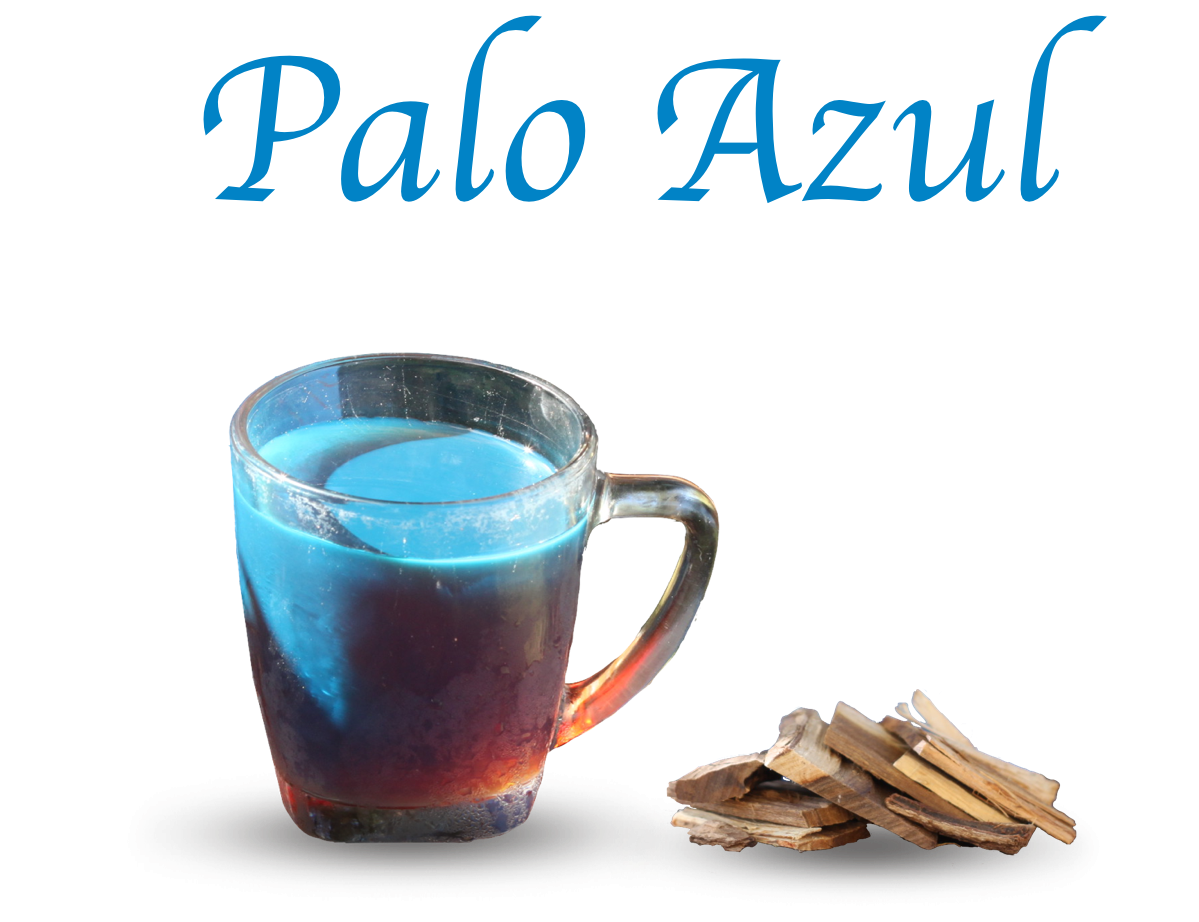

In the last few centuries, palo azul tea has become a popular herbal medicine for improving the health of ailments such as sciatica, arthritis, rheumatism, lumbago and gout because of its powerful anti-inflammatory property. In addition, studies also showed that palo azul is an active uric acid reducer, it’s antinociceptive, and it’s rich in flavonoids, all of which are beneficial properties for sciatic nerve health.
1. Anti-inflammatory

Over a dozen studies have found that palo azul showed significant anti-inflammatory activity. For example, a 2016 study found that palo azul “exhibited significant anti-inflammatory activity.”
A 2015 concluded a similar result: “Our data indicate that palo azul exhibited significant anti-inflammatory activity, exhibiting also anti-arthritic activity.”
Why does inflammation cause sciatica pain?
One study concluded that “inhibition of glial NF-κB attenuates the pain and inflammatory response following chronic constriction injury (CCI) of the sciatic nerve.
This 2021 found that palo azul’s “flavonoids modulate multiple kinases of immune signaling pathways and inhibit NF-κβ, thus reducing cytokine expression.”
NF-κB induces the expression of various pro-inflammatory genes, including those encoding cytokines and chemokines, and also participates in inflammasome regulation.
Another medical article mentions that “any cause of irritation or inflammation of the sciatic nerve can produce the symptoms of sciatica.”
The Sciatica Clinic explains why inflammation can cause back pain:
“Inflammation is the body’s natural immune response when injury and infection present. This is good. However, it’s meant to be a temporary response that deactivates when there is no longer any danger. When the body is exposed to various irritants like industrial chemicals, inflammatory foods like sugar, refined carbohydrates, and autoimmune disorders can cause the immune system to go into overdrive. Chronic inflammation can develop, causing damage to the cells. One consequence of chronic inflammation is back pain.
Certain teas contain anti-inflammatory compounds. These compounds are called polyphenols and work to decrease the chemicals in the body responsible for pain and inflammation.”
So inflammation can be good, but too much chronic inflammation can cause back pain…which is why teas that are rich in anti-inflammatory compounds like polyphenols may help to alleviate these conditions.
2. Rich in flavonoids

Palo azul tea is one such tea that is rich in polyphenols. Numerous studies have shown that palo azul tea is rich in a group of polyphenols called flavonoids.
A 2021 study found several phytochemicals (polyphenols) in palo azul such as “flavones, isoflavones, flavanones, phenolic compounds, chalcones and dihydrochalcones” which have been linked to its health benefits, highlighting “diuretic, antidiabetic, antiglycation, antioxidant, anti-inflammatory, antimicrobial potential.”

Hundreds of studies have shown that flavonoids are powerful anti-inflammatories and because of this property, their ability to calm promote bone health has been demonstrated. You can learn all about flavonoids on our article here.

In fact, one study found that flavonoids “have the most potential of dietary components for promotion of bone health beyond calcium and vitamin D.” The researchers mention that “recent epidemiological studies show flavonoid consumption to have a stronger association with bone than general fruit and vegetable consumption.”
A 2012 study explains the beneficial biological mechanisms of flavonoids in bone health:
“Flavonoids have been reported to enhance bone formation and to inhibit bone resorption through their action on cell signaling pathways that influence osteoblast and osteoclast differentiation.”
What does bone formation/resorption and osteoblast/osteoclast mean?

Bone formation, also called ossification, is the process by which new bone is produced.
Bone resorption is the destruction of bone tissues that promotes bone loss, that is, a decrease in bone mass and bone density.
Osteoblasts are cells that are involved in the formation and mineralization of bones
Osteoclasts are the cells that degrade bone to initiate normal bone remodeling and mediate bone loss in pathologic conditions by increasing their resorptive activity.

In other words…flavonoids showed the ability to promote new bone formation and to prevent bone loss or destruction. For these reasons, flavonoids may be even more beneficial for bone health than calcium or vitamin D!
Flavonoid-rich foods: apples, pears, onions, strawberries, blueberries, celery, peppers, and teas

3. Uric Acid Reducer

A 2008 study mentions that “the plant (palo azul) has been used in traditional treatments of nephrolithiasis or urolithiasis, lumbalgia, arthritis, rheumatism, sciatica, and as blood depurative because it eliminates uric acid, of which application the palo azul derives its diuretic and antirheumatic fame.”
This study also found that uric acid indices were significantly higher in the group of diabetic mice that did not receive the palo azul extracts compared to the control group.
Lastly, the researchers concluded the following: “Groups treated with the dihydrochalcone (palo azul’s flavonoid extract) showed a significantly decreased uric acid.”
4. Antinociceptive

Several studies have also shown that palo azul has antinociceptive properties. Antinociceptives block the detection of a painful or harmful stimulus by blocking signals from neurons.
A 2018 study mentioned that palo azul “decreased the serum levels of pro-inflammatory cytokines and showed antinociceptive activity. These findings support the use of Eysenhardtia polystachya in Mexican folk medicine for treating rheumatoid arthritis and pain management.”
A 2009 study mentions that “pro-inflammatory cytokines are involved in the up-regulation of inflammatory reactions, and there is abundant evidence that certain pro-inflammatory cytokines are involved in the process of pathological pain.”
In other words…these studies showed palo azul’s ability to decrease pro-inflammatory cytokines, which are associated with inflammation and pain.

A 2018 study found that palo azul “showed antinociceptive and antidiarrheal effects with similar potency compared to standard drugs.”
* Although we do not recommend replacing standard medications, these findings establish the importance of having a diet full of natural medicines with potent health properties.
Finally, a study concluded the following: “Our findings support the use of Eysenhardtia polystachya bark for the treatment of rheumatoid arthritis and pain management.”
Conclusion
In conclusion, palo azul tea may help to promote sciatic nerve health alleviate because it’s anti-inflammatory, antinociceptive, it’s an active uric acid reducer and it’s rich in flavonoids. Due to these properties, palo azul and its flavonoids may help to prevent bone loss, promote bone health and decrease chronic inflammation.

Clinical Studies
Palo azul is also known as: Eysenhardtia polystachya (E. polystachya, E.P), Cyclolepis genistoides (C. genistoides), kidney wood and palo dulce
Sciatica Clinic: Drinking Tea For Inflammation and Back Pain
(2012) Flavonoid intake and bone health
(1986) Increased norepinephrine and uric acid levels in the spinal cord of arthritic rats
(May 25, 2011) Anti-inflammatory properties from isolated compounds of Cyclolepis genistoides